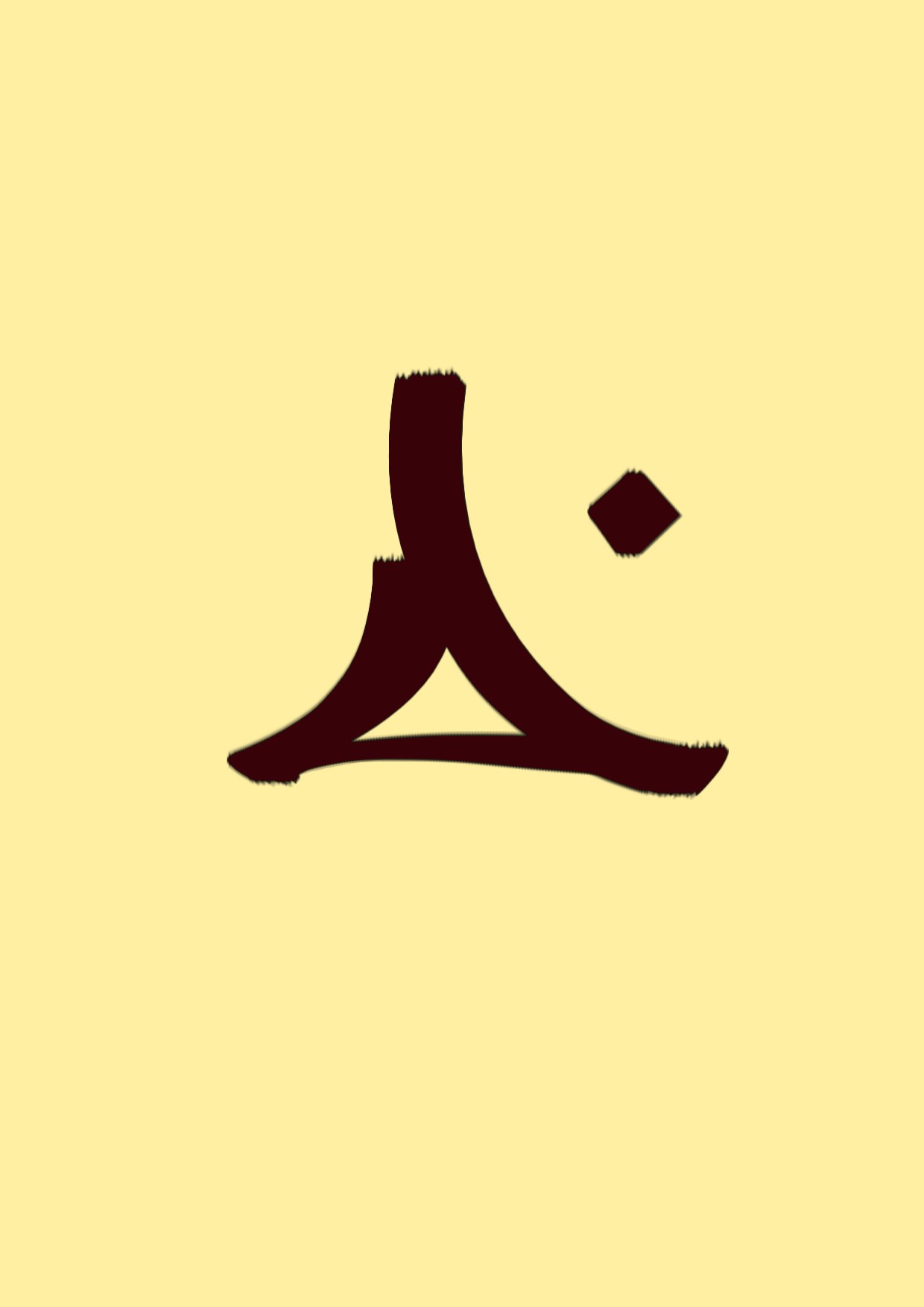
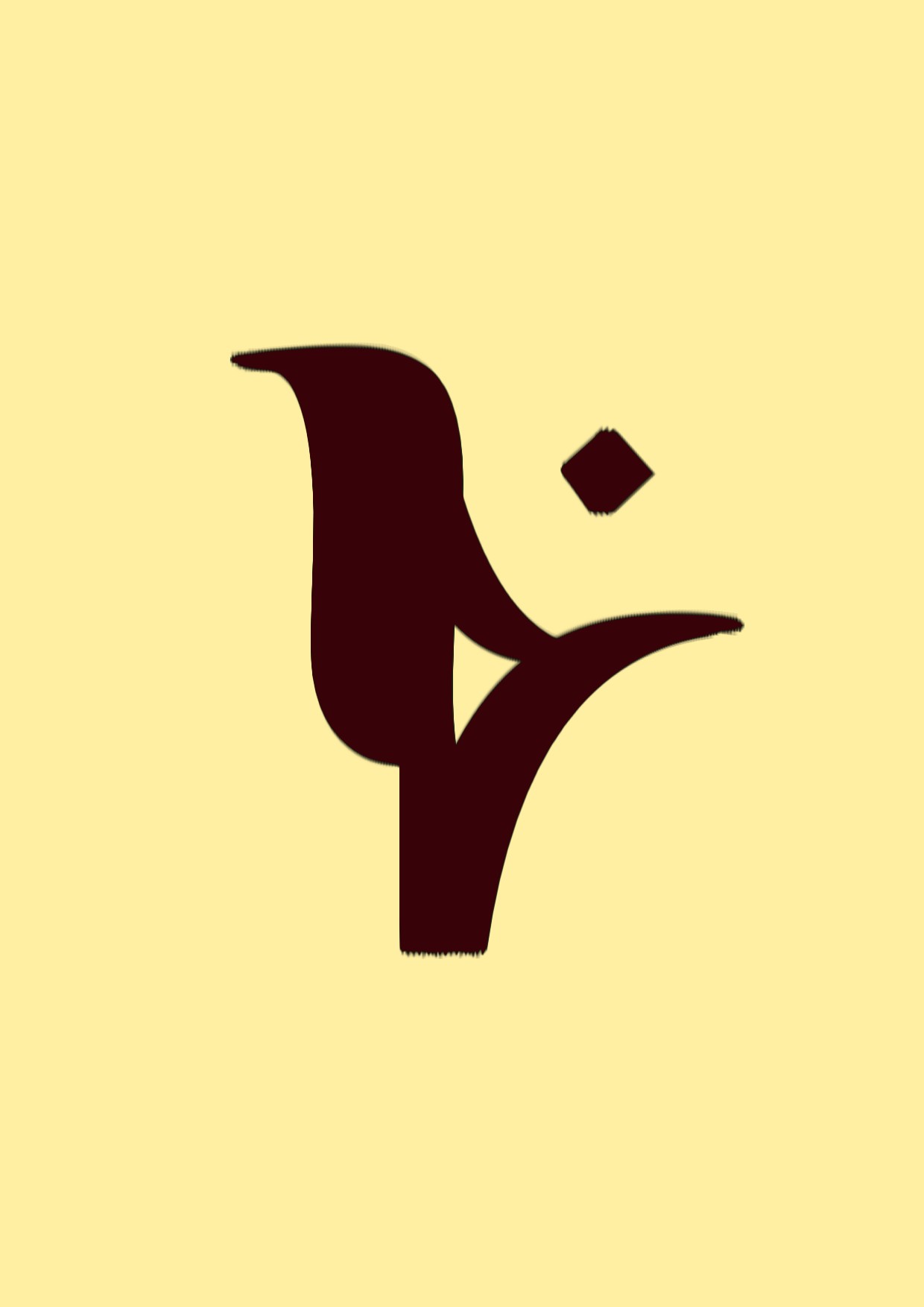
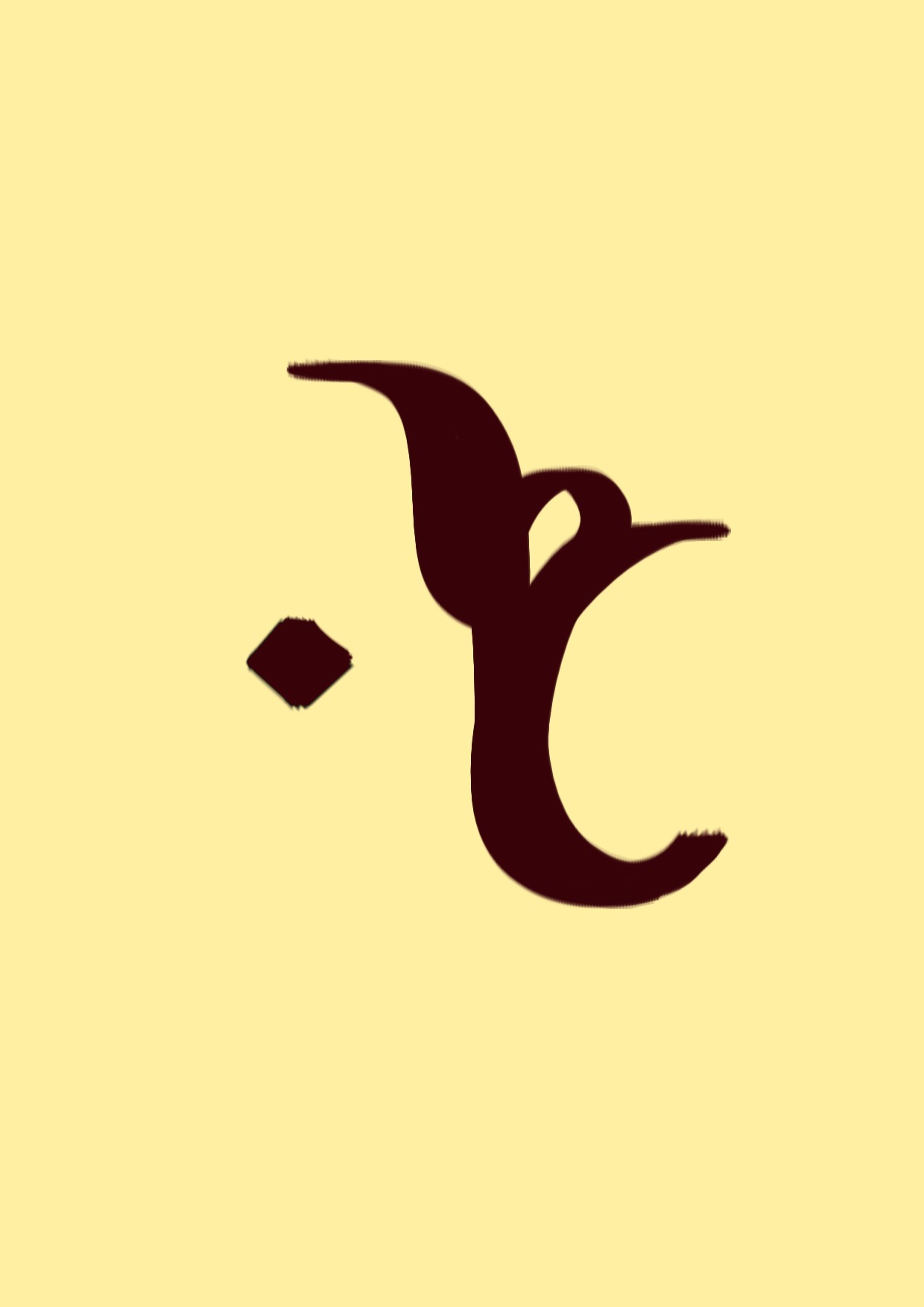
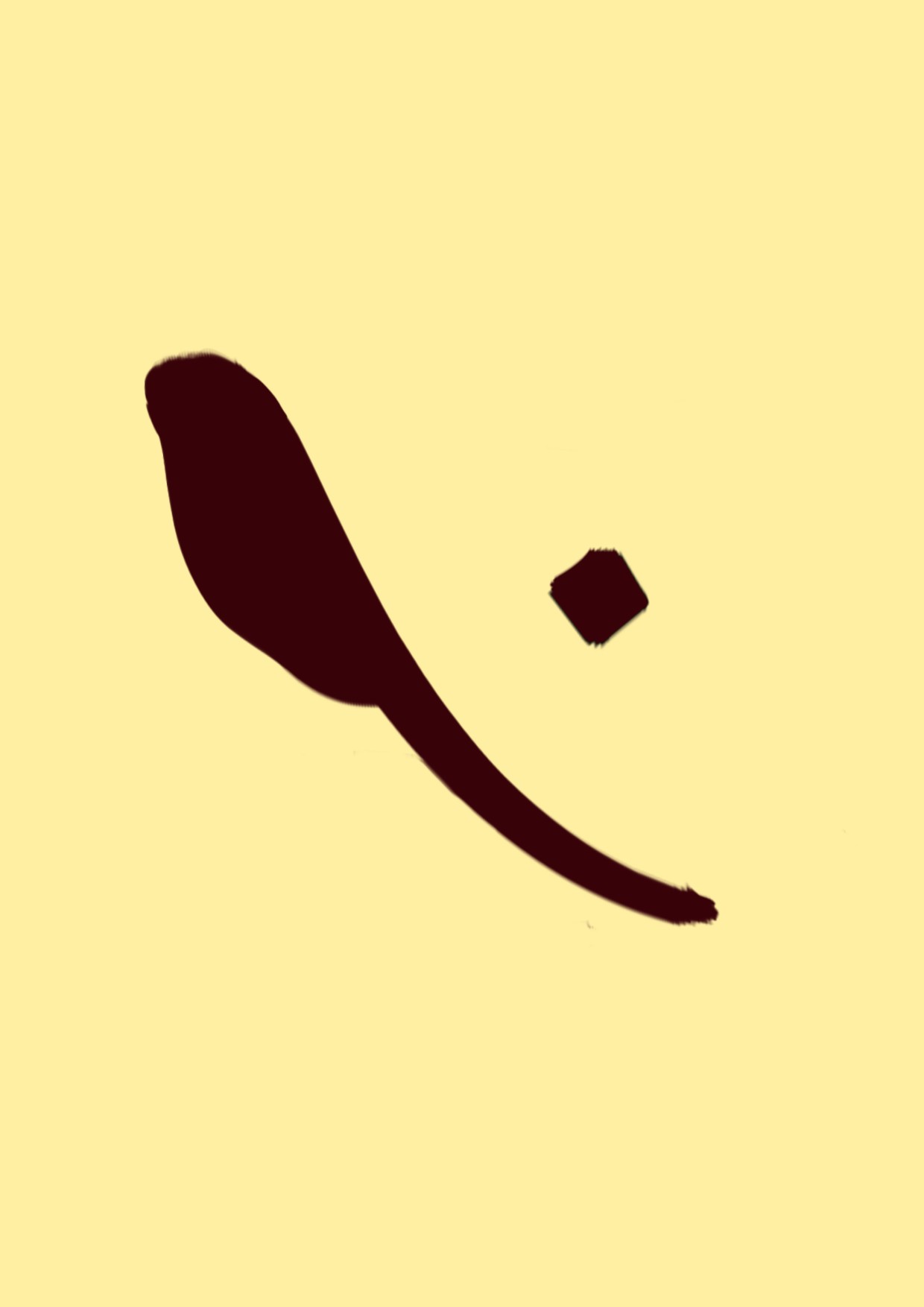
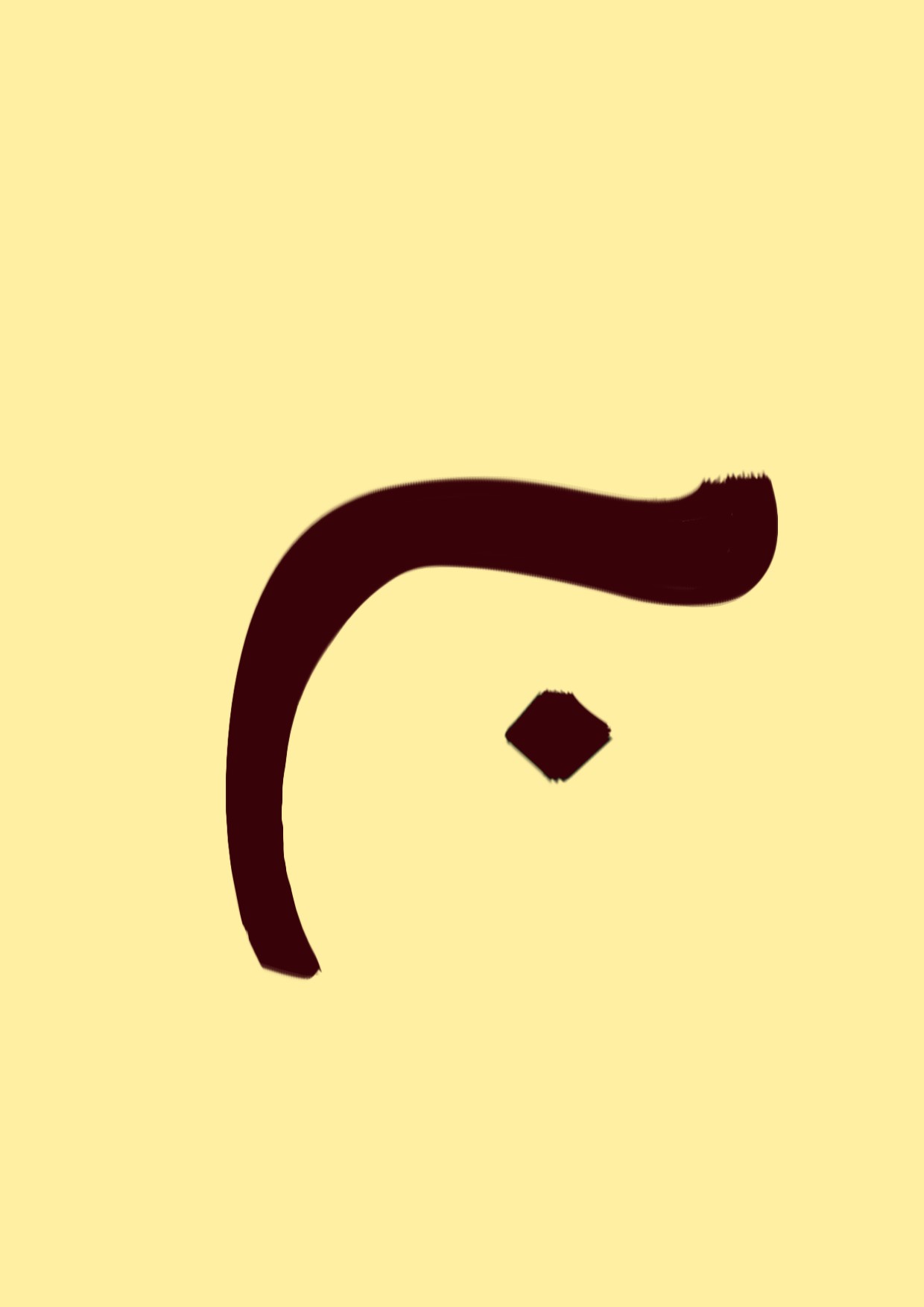
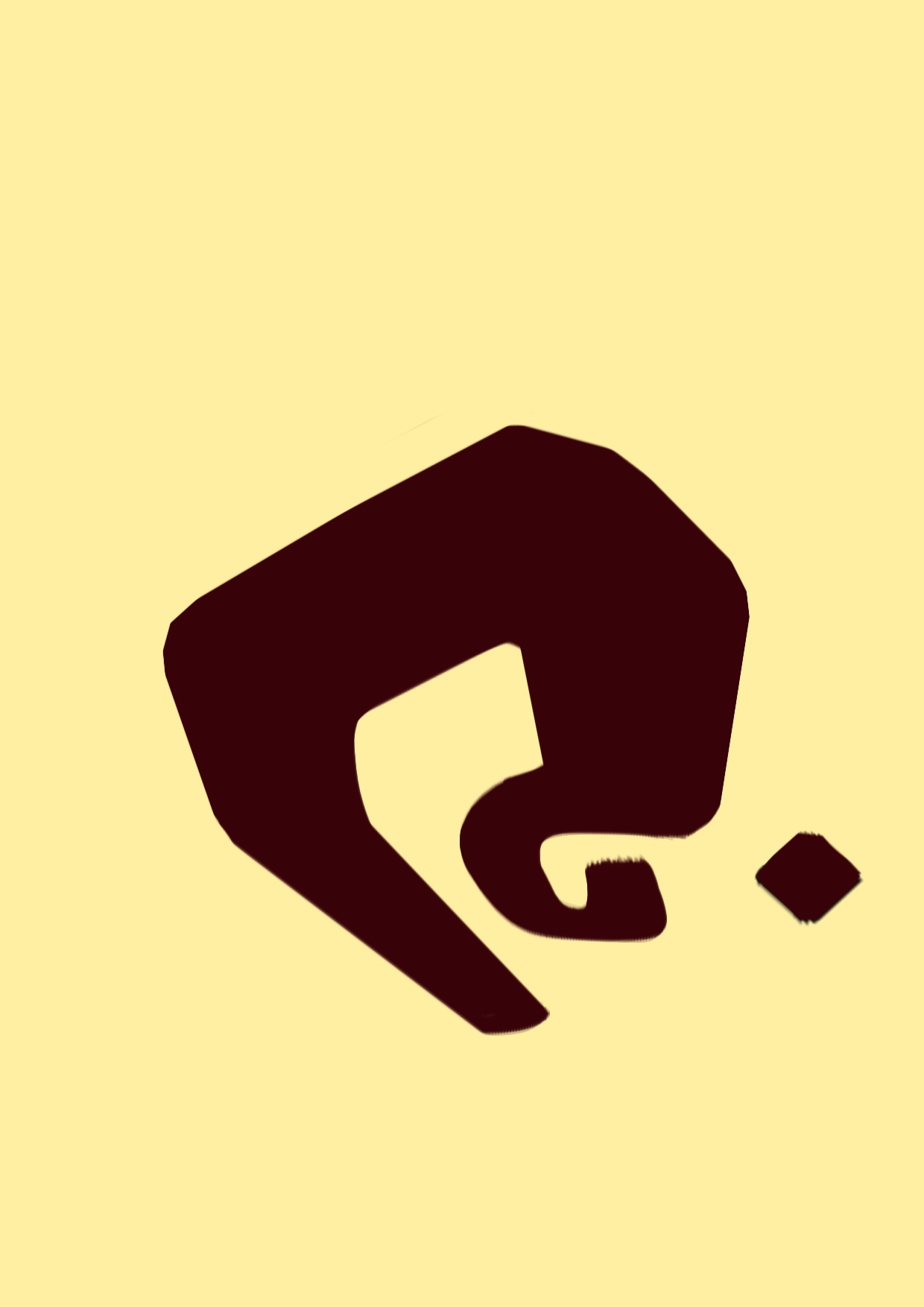
Vowels
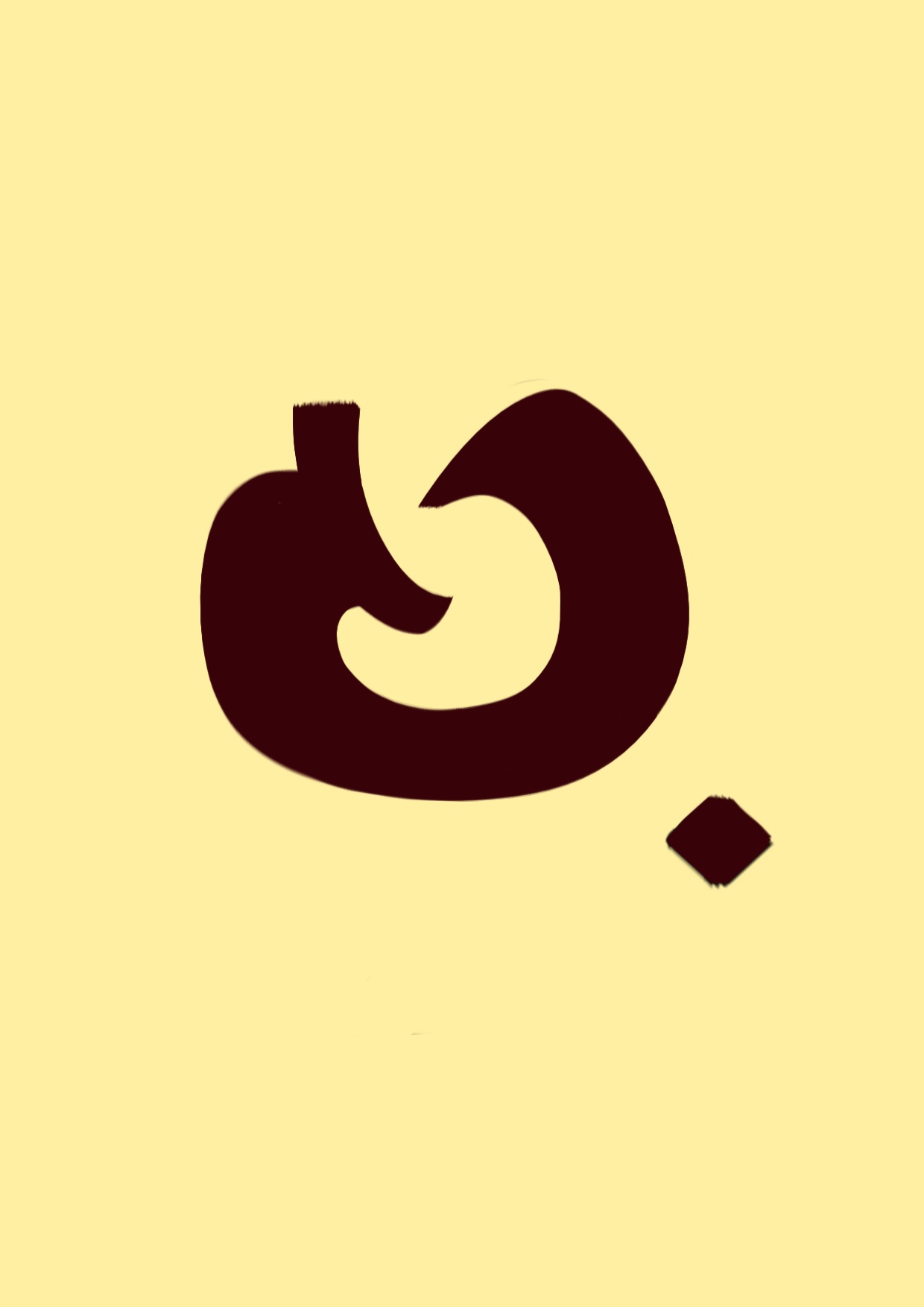
Isolated
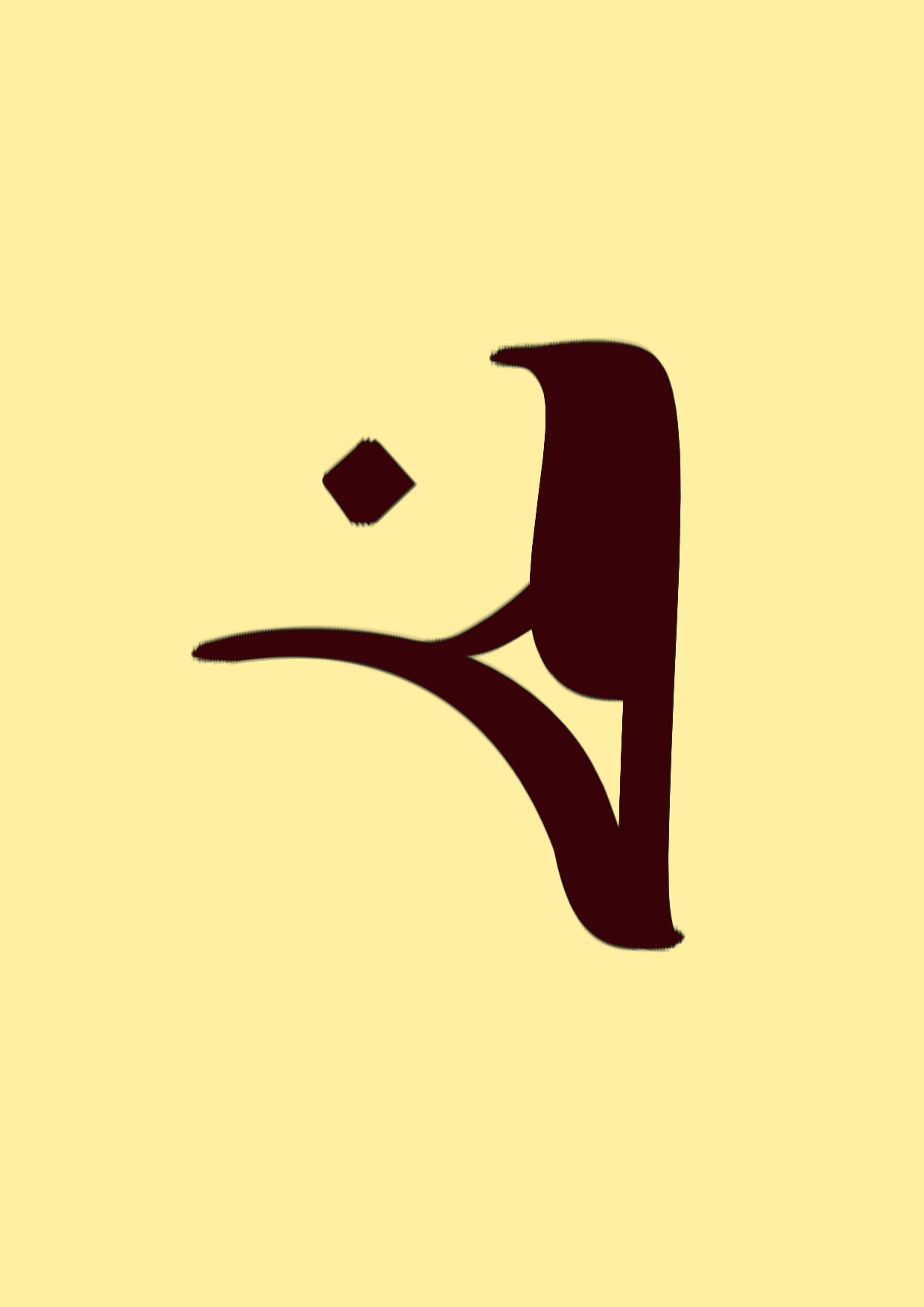
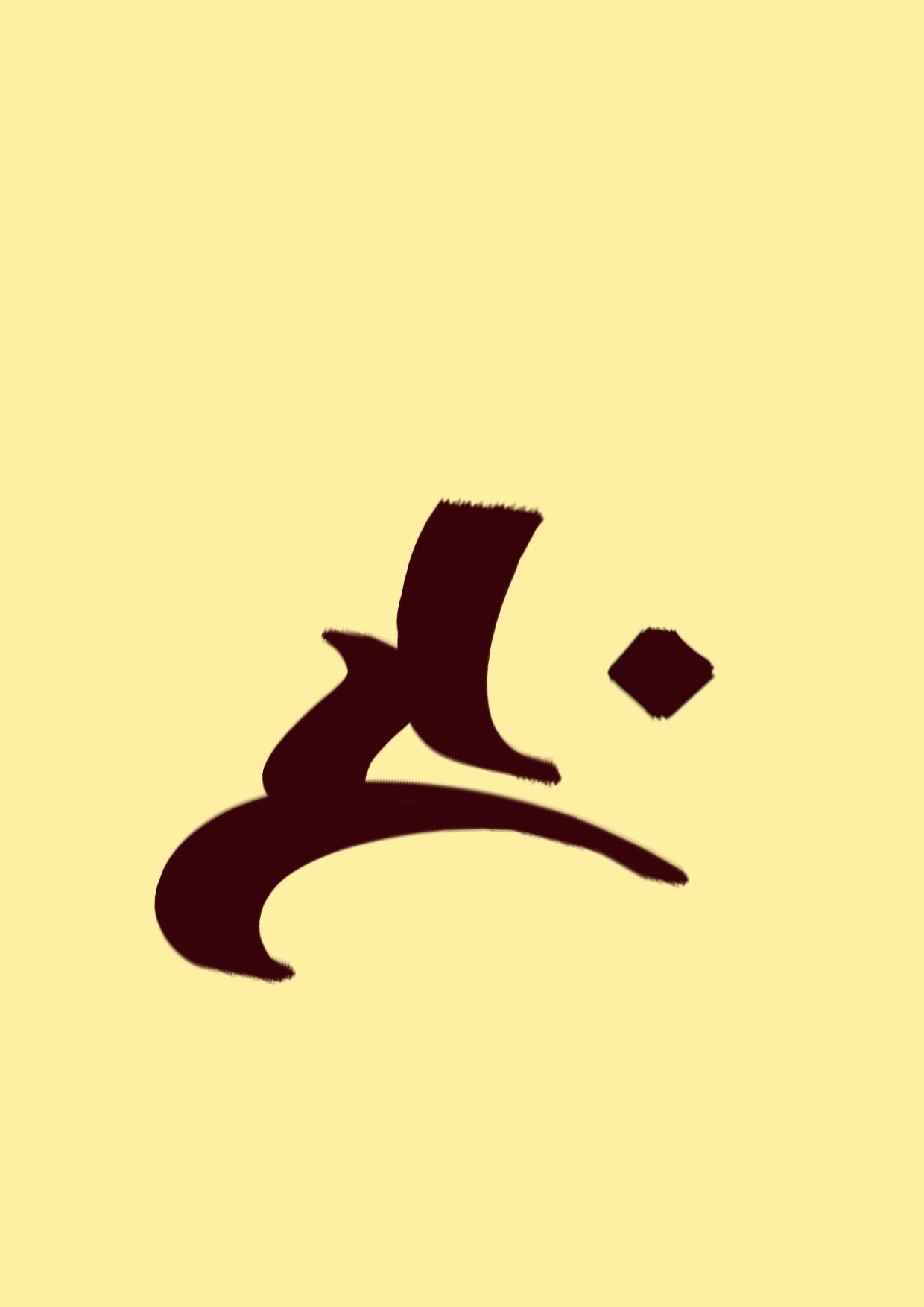
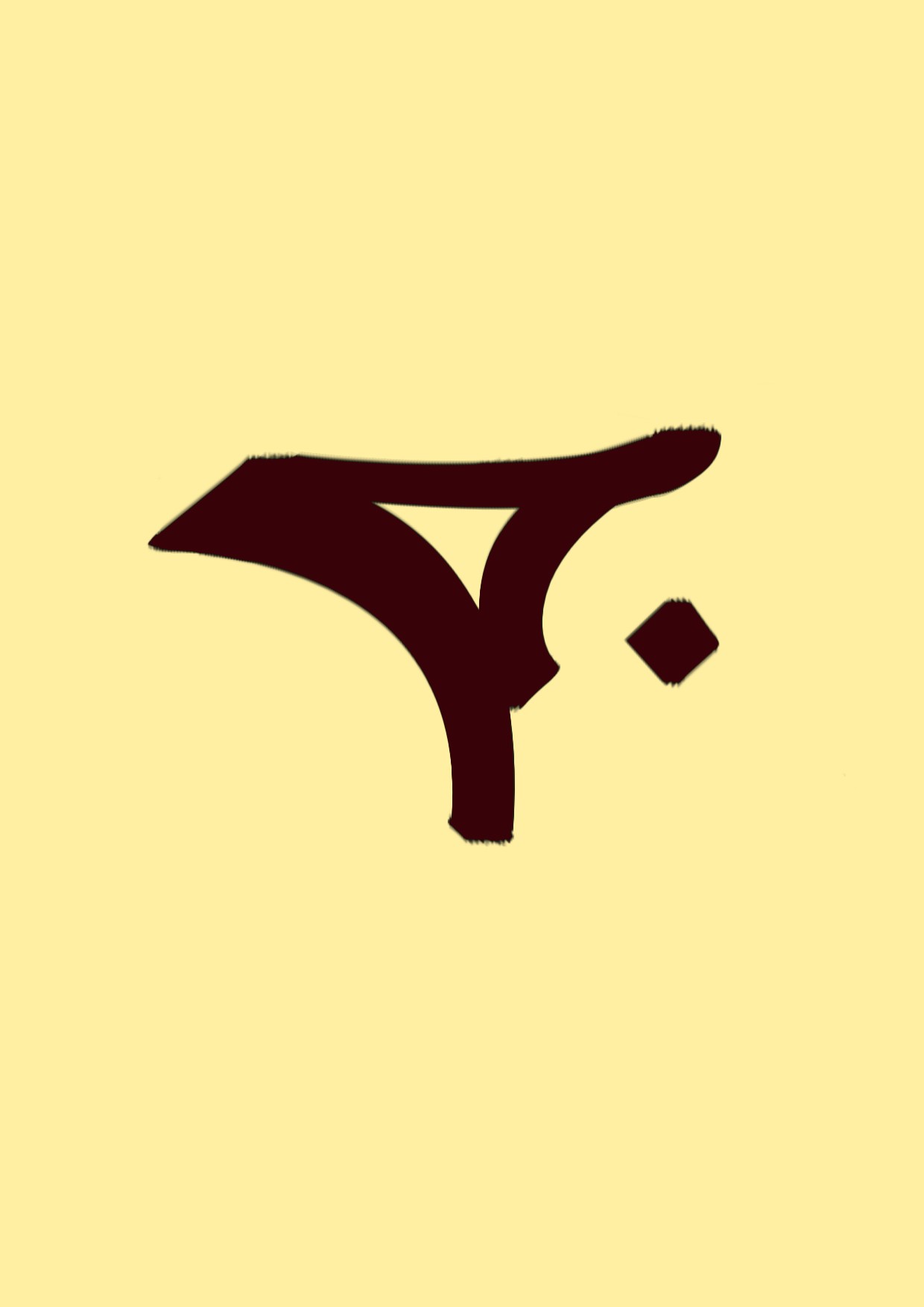
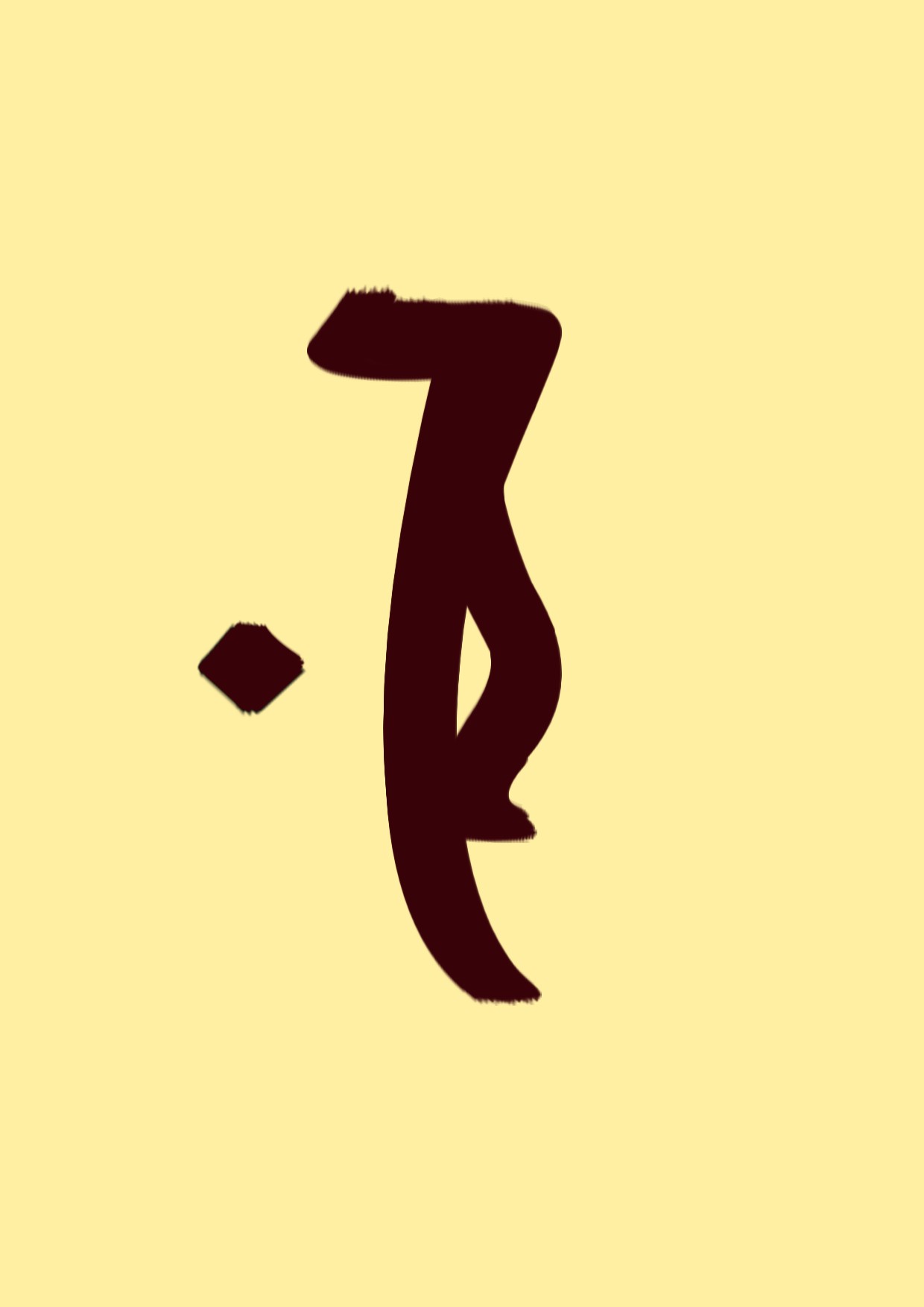
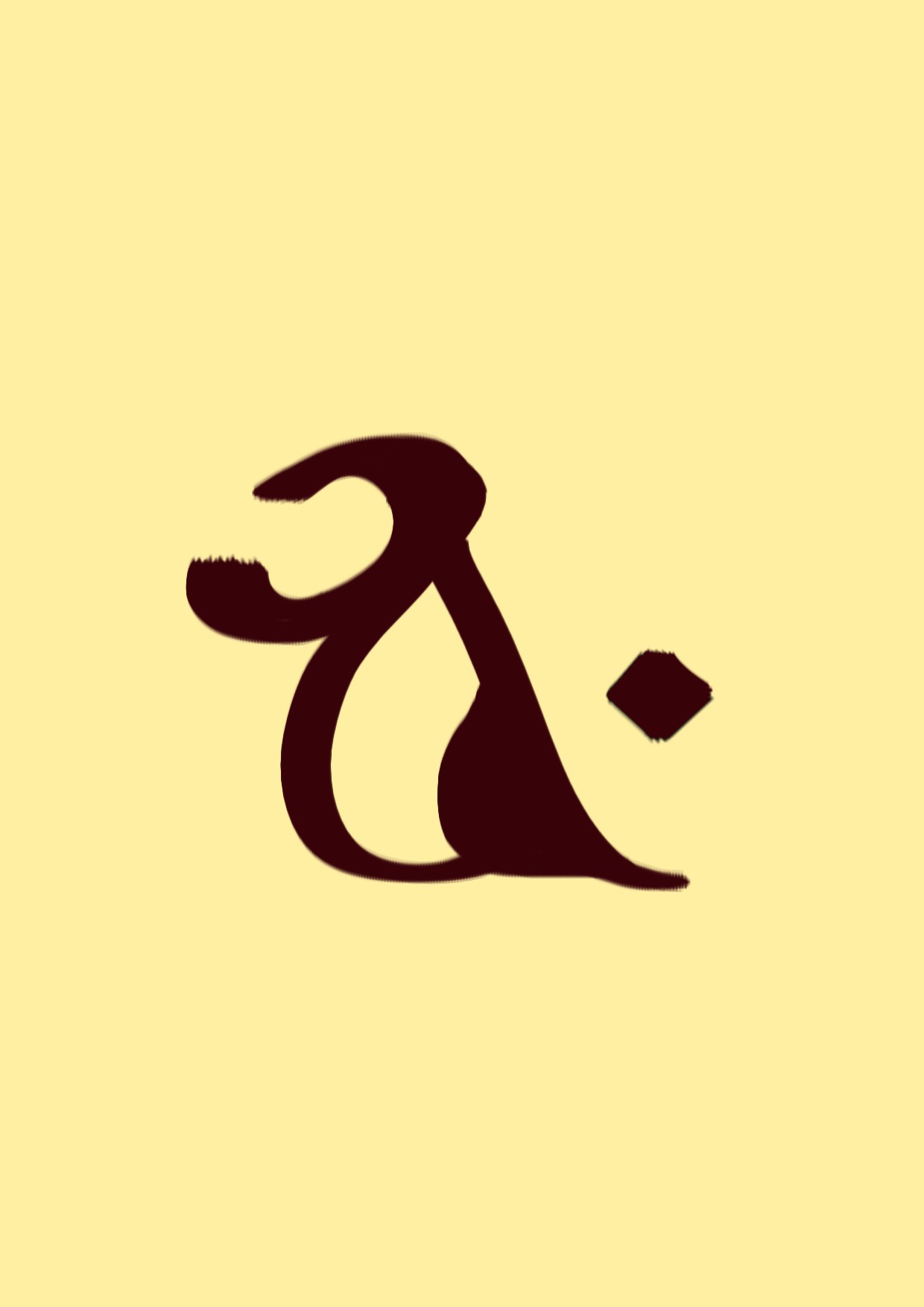
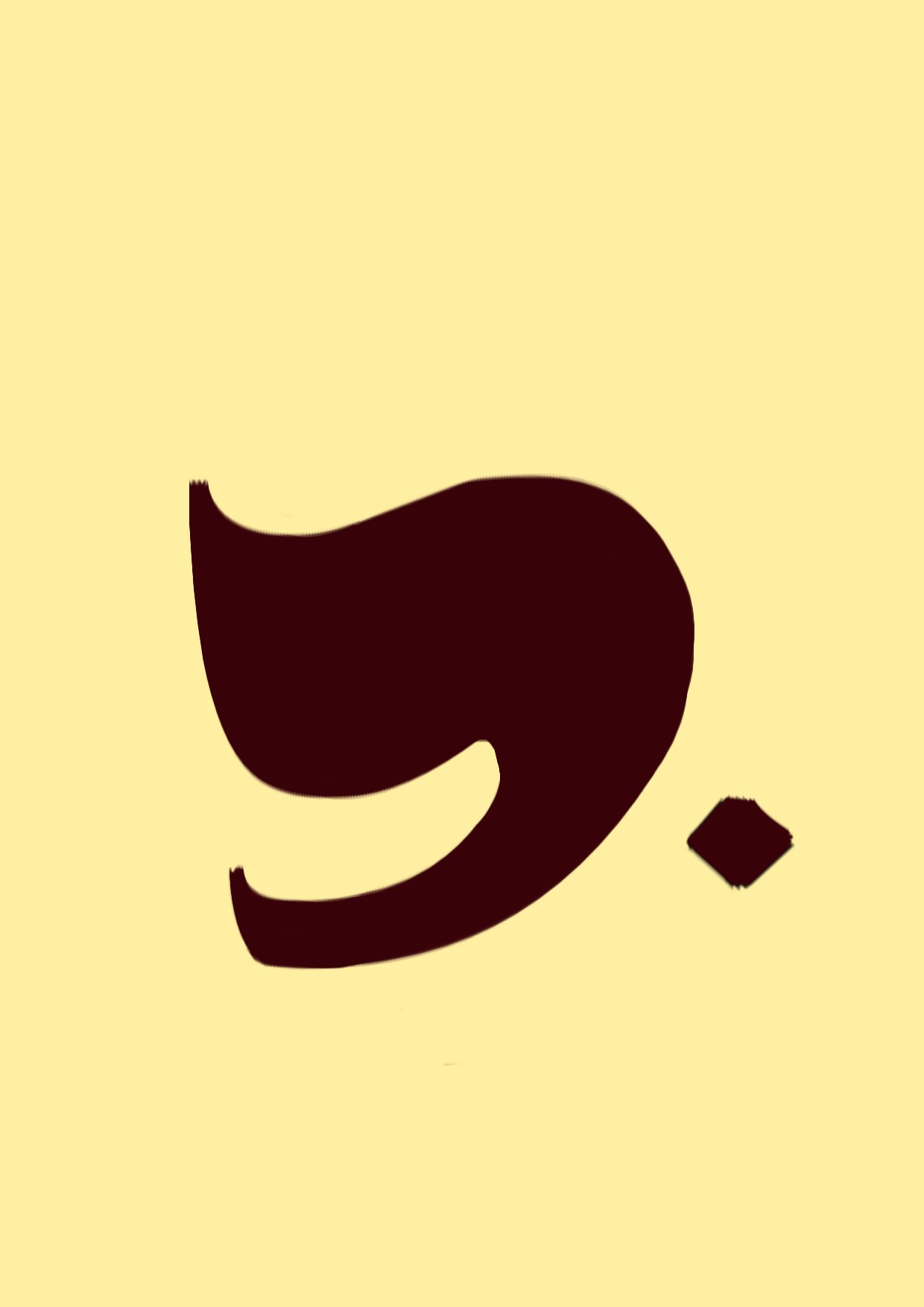
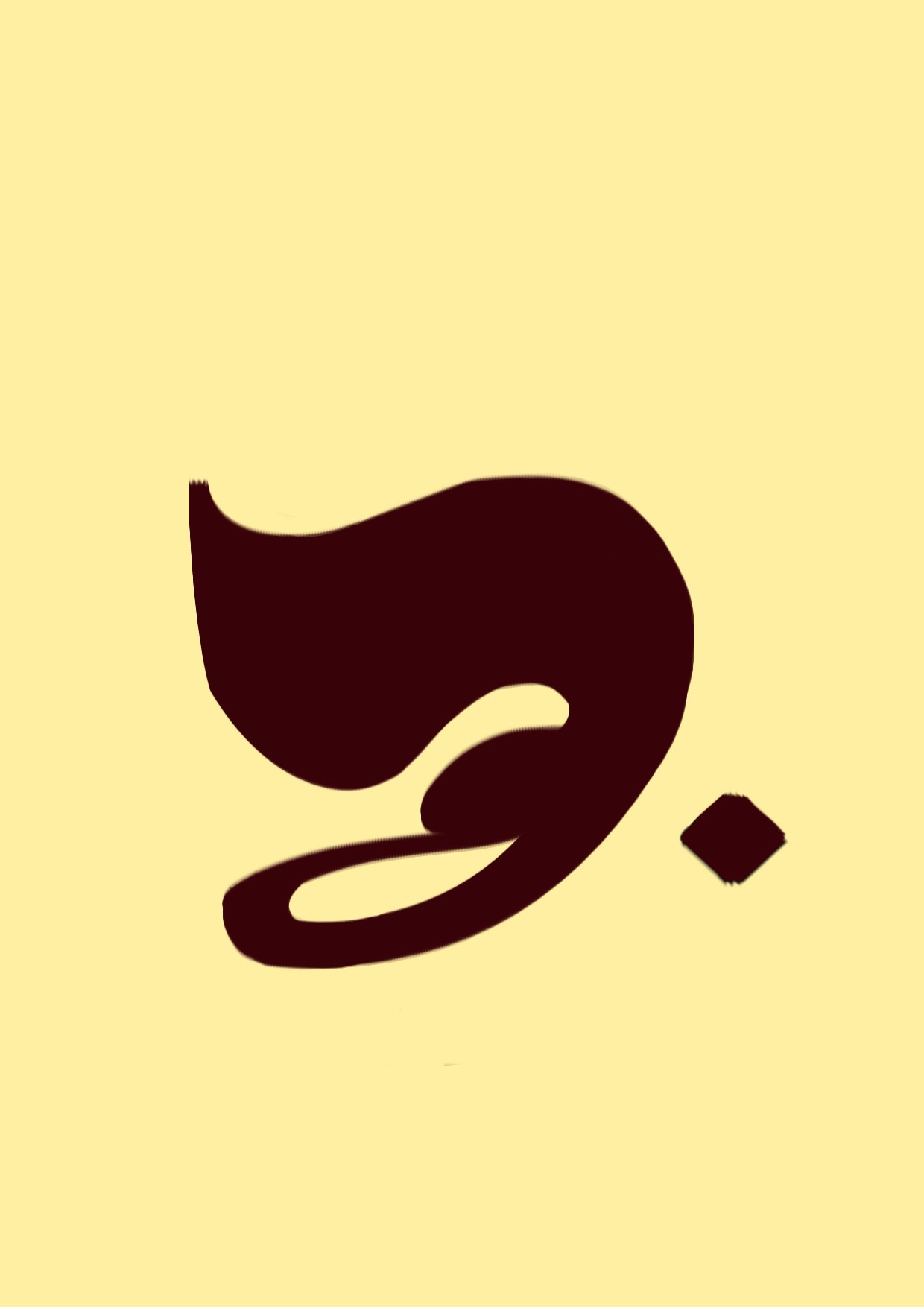
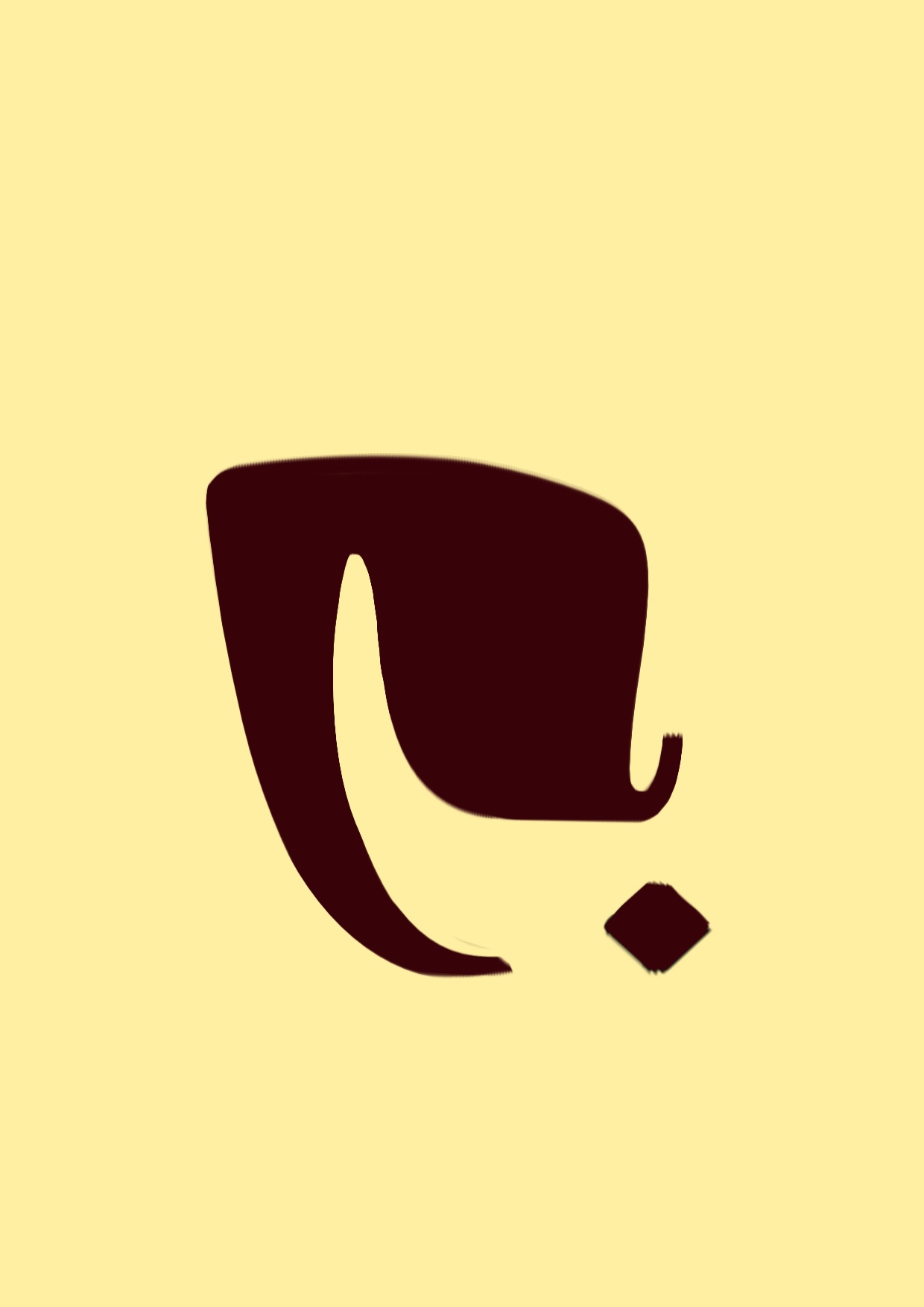
Consonants
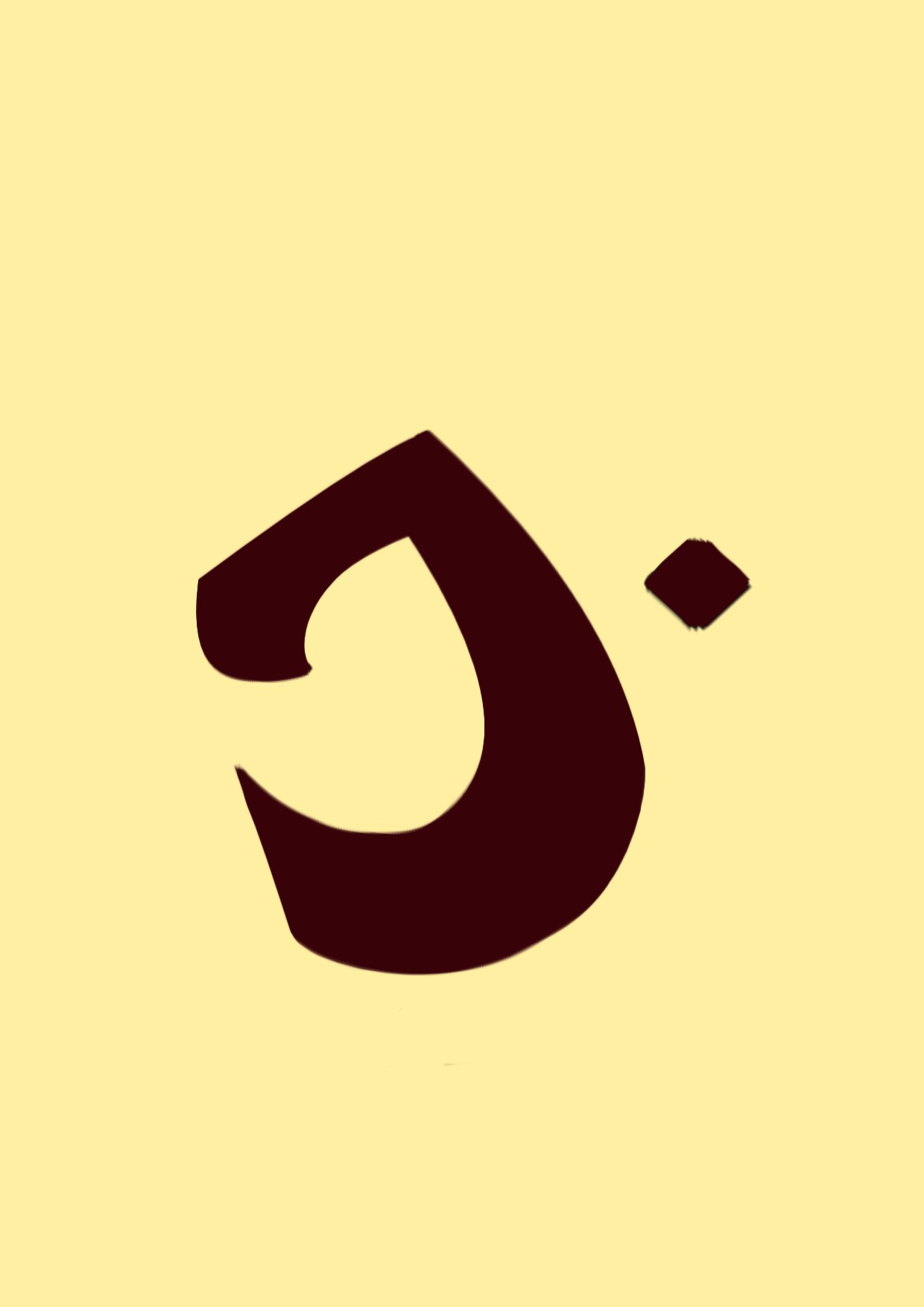
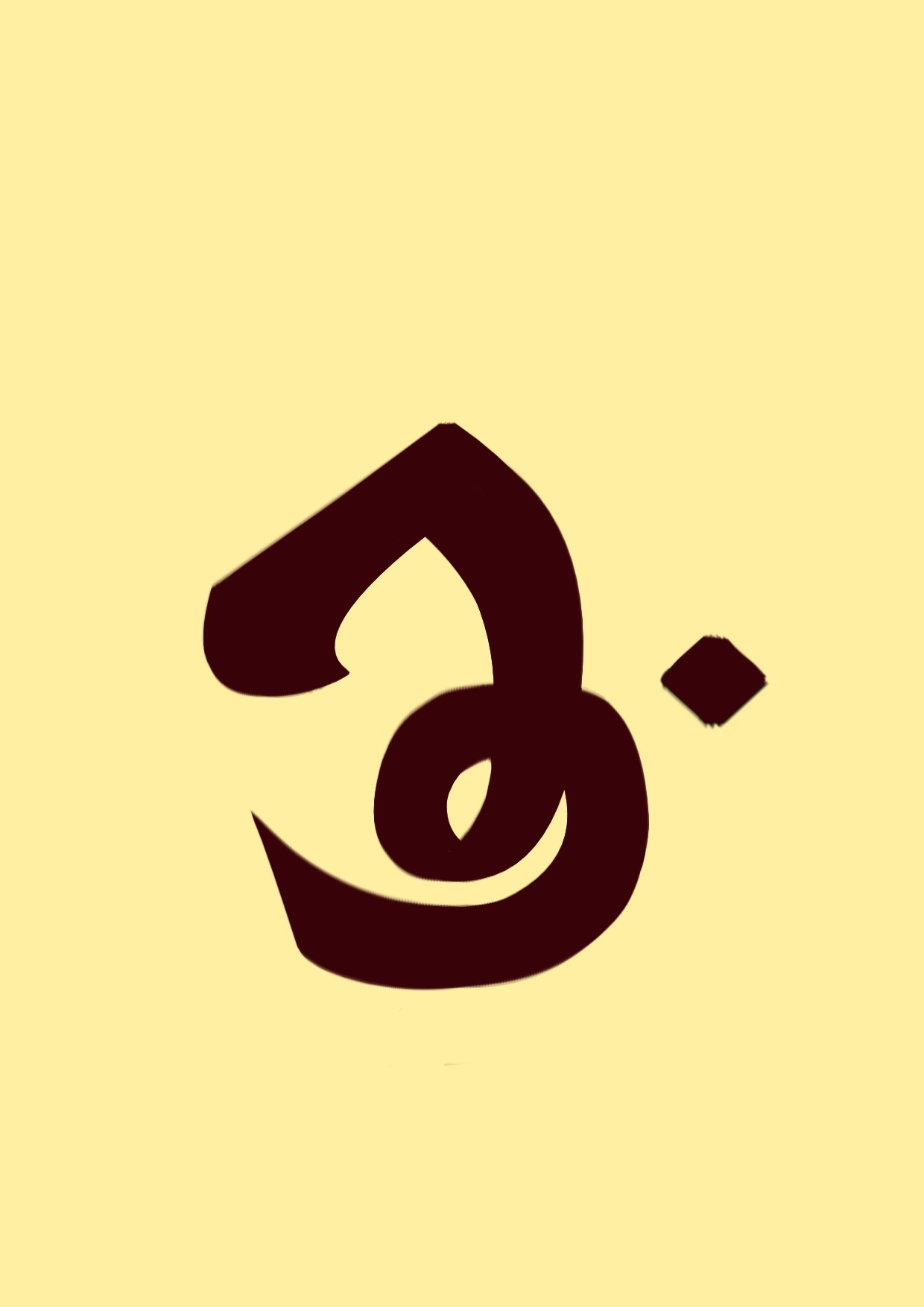
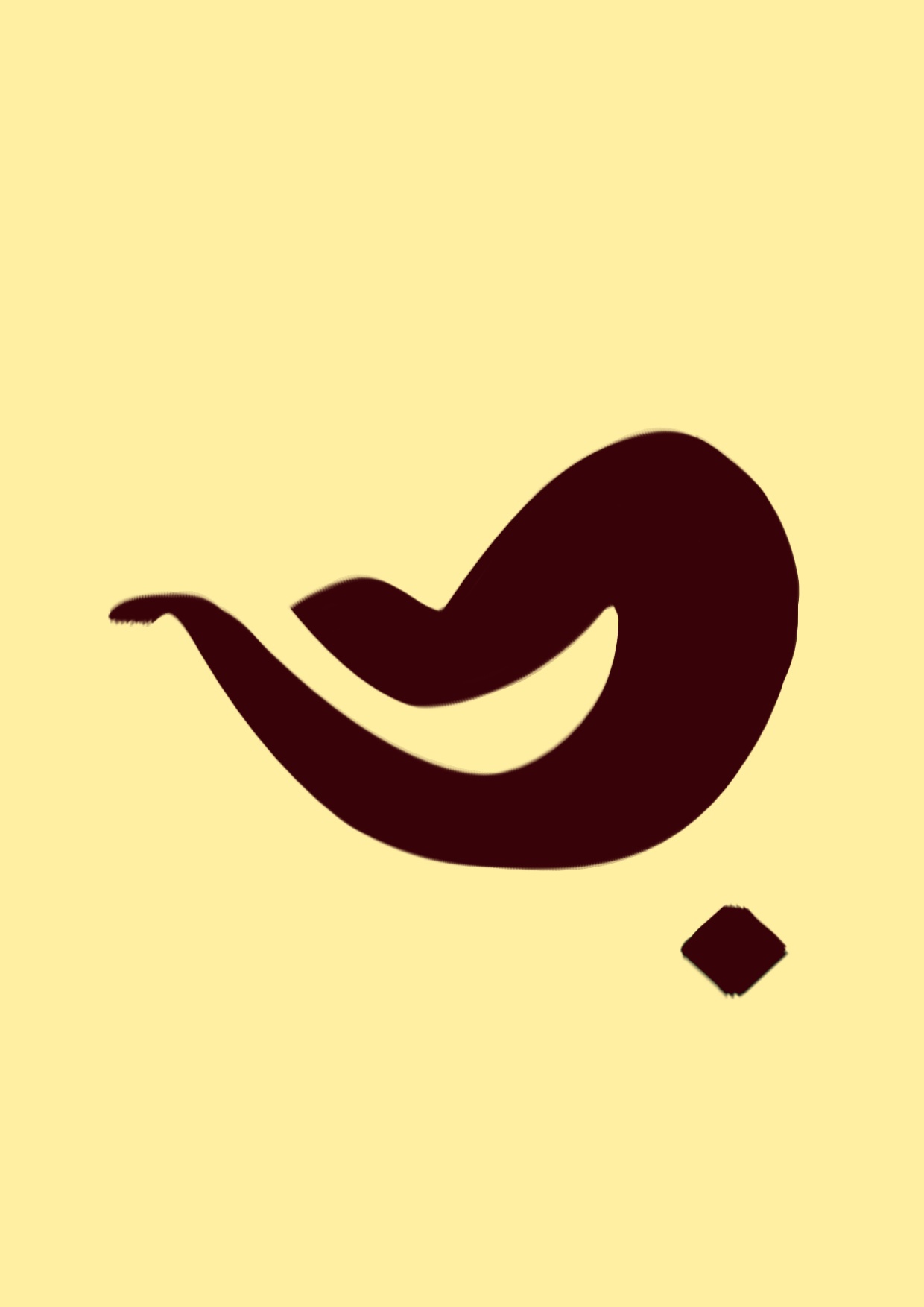
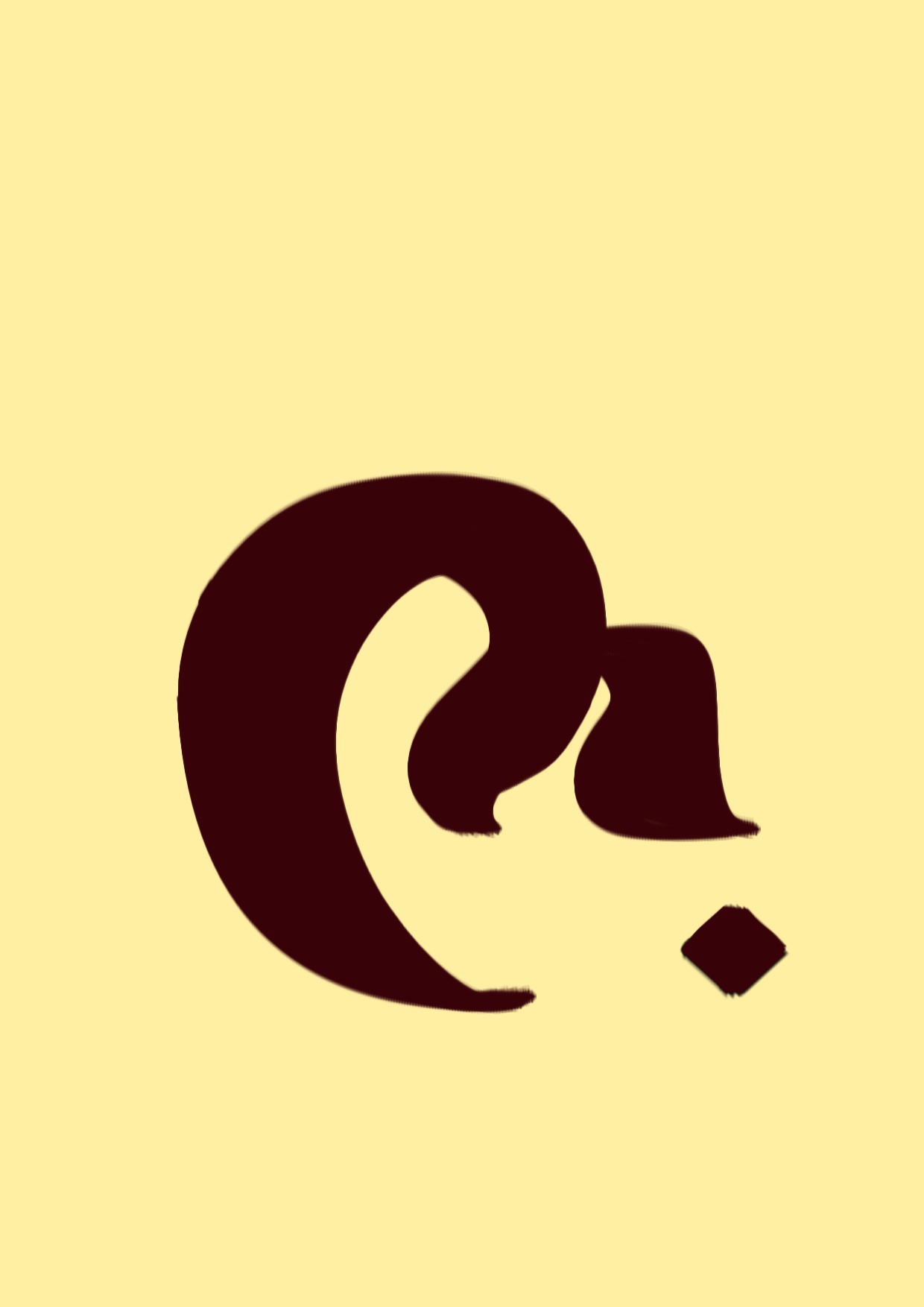
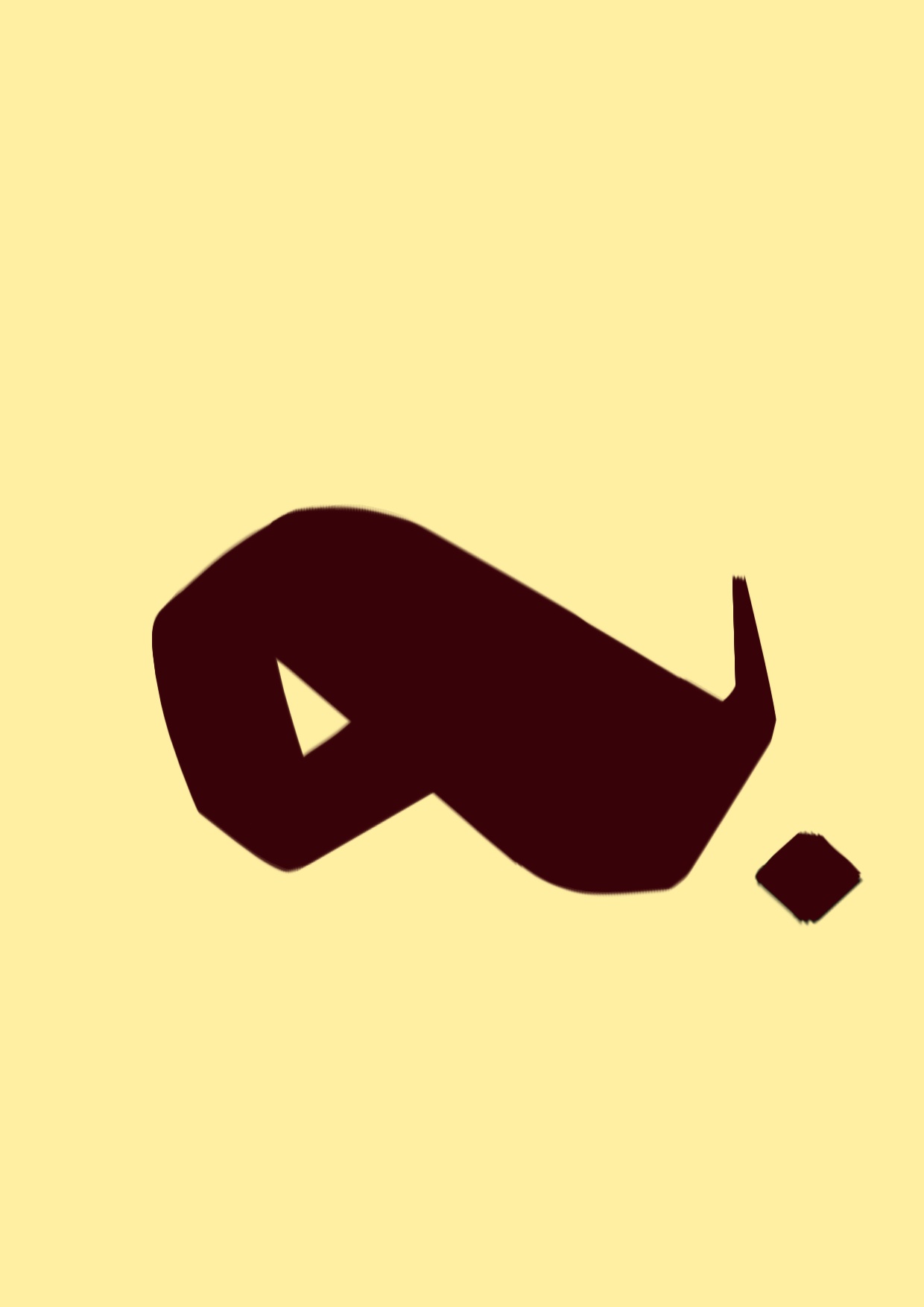
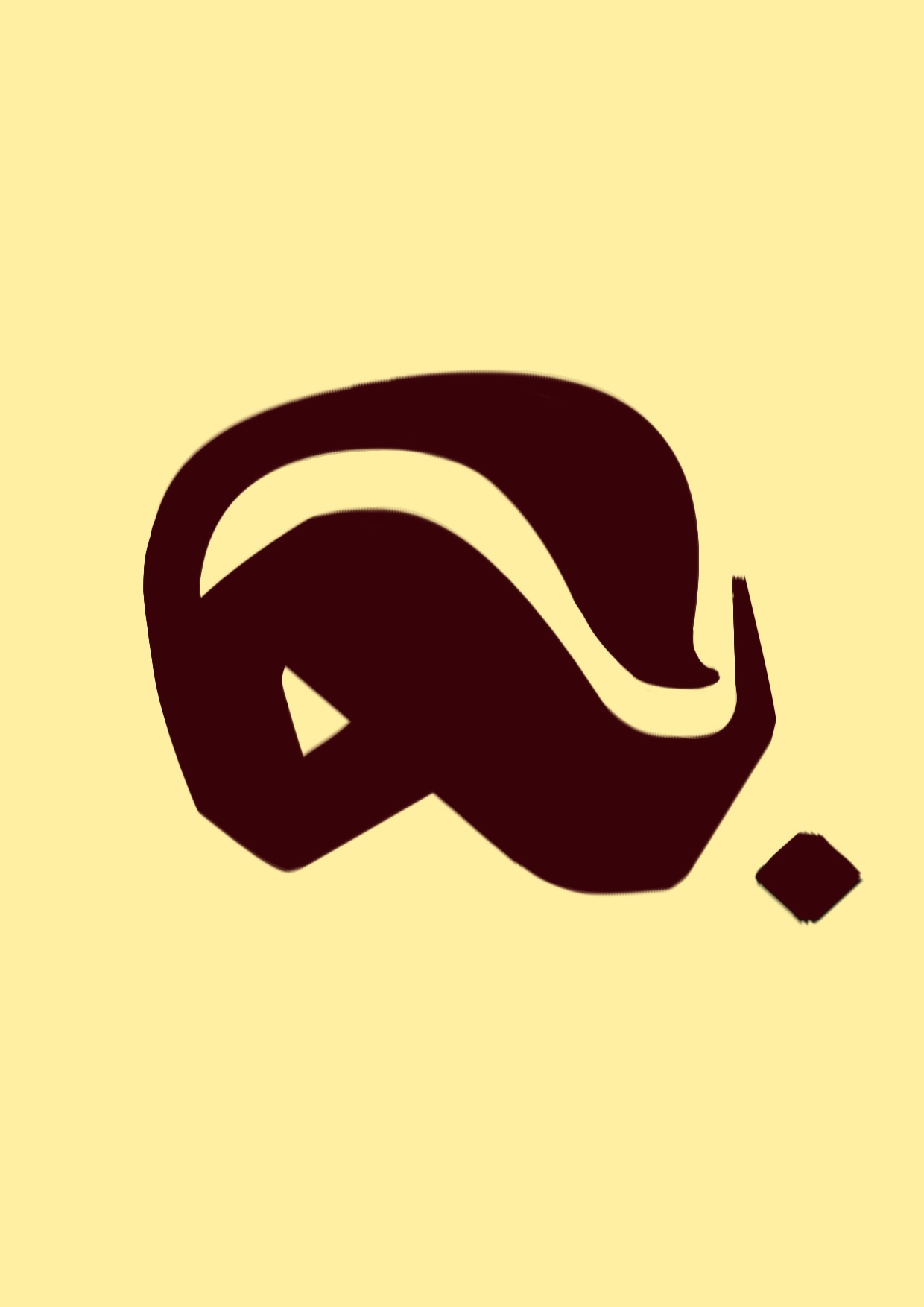
Isolated
Writing System
Combining Characters
Writing Direction
The vērvānje script is an abugida (aslo known as an alphasyllabary) which means that consonant and vowel symbols (or character) are combined to form syllables.
The writing is done from left to right (as seen below) but the characters can also be stacked and read from top to bottom, with the columns still being written left to right.
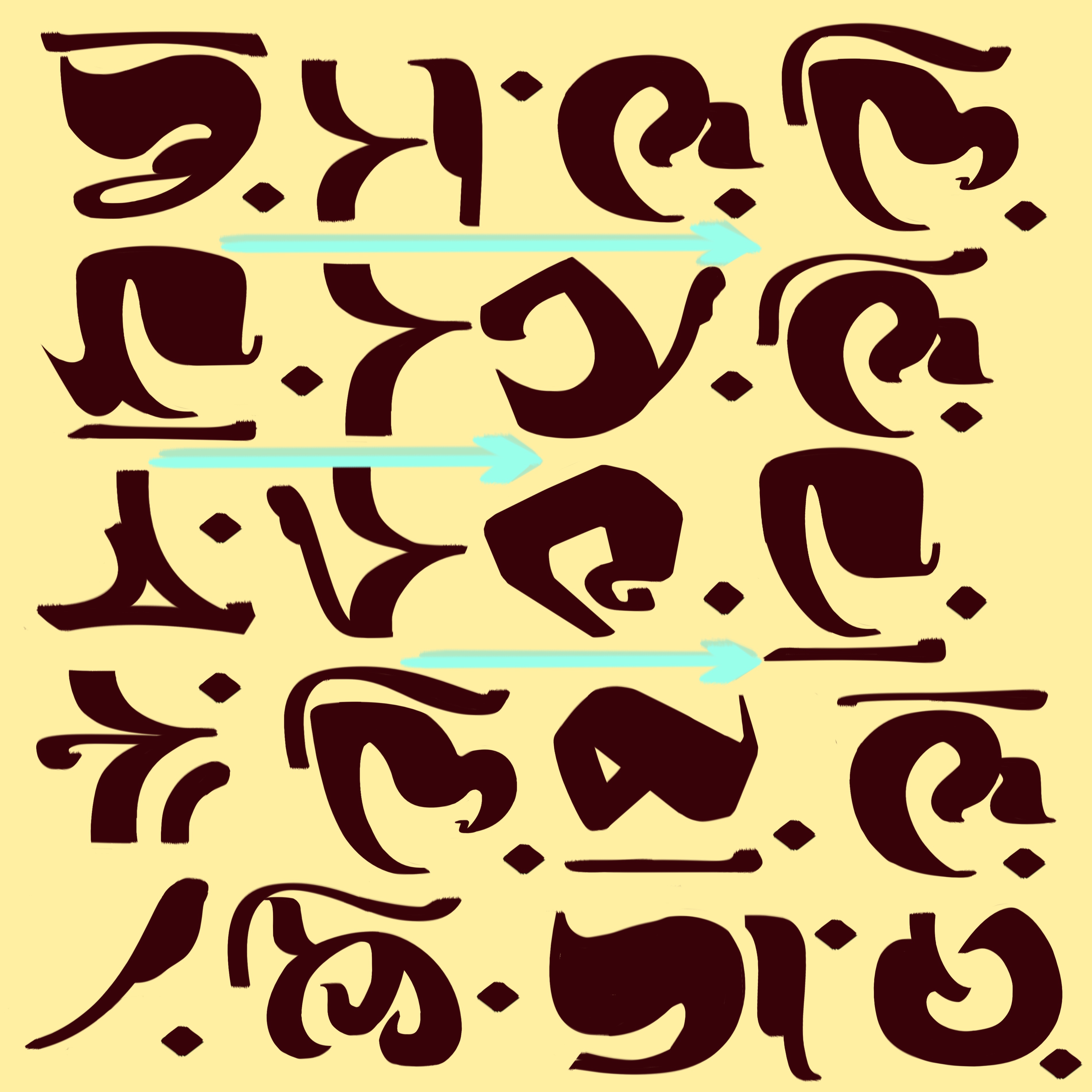 ḡupol thī dāpkölī āpēr tābathī sālu vövīhoj
He imitated the teacher while his back was turned.
Characters, whether isolated or combined, are necessarily followed by a diamond-shaped diacritic that signals a shift in sound or end of a syllable. The position of this diacritic is free, as long as it respects the reading direction i.e. positioned after the final character and/or before the next character. This diacritic will be hereafter refered to as a vanyuse dot, from vānjjuzzule.
As you may have noticed, the vowel characters are simplified when combined with the consonant characters.
The following section deals with this subject and describes the process of drawing and placing the different vowel characters to create open syllables.
Vowel Characters in Combination
There are three kinds of combinations: open syllables, closed syllables, and consonant clusters.
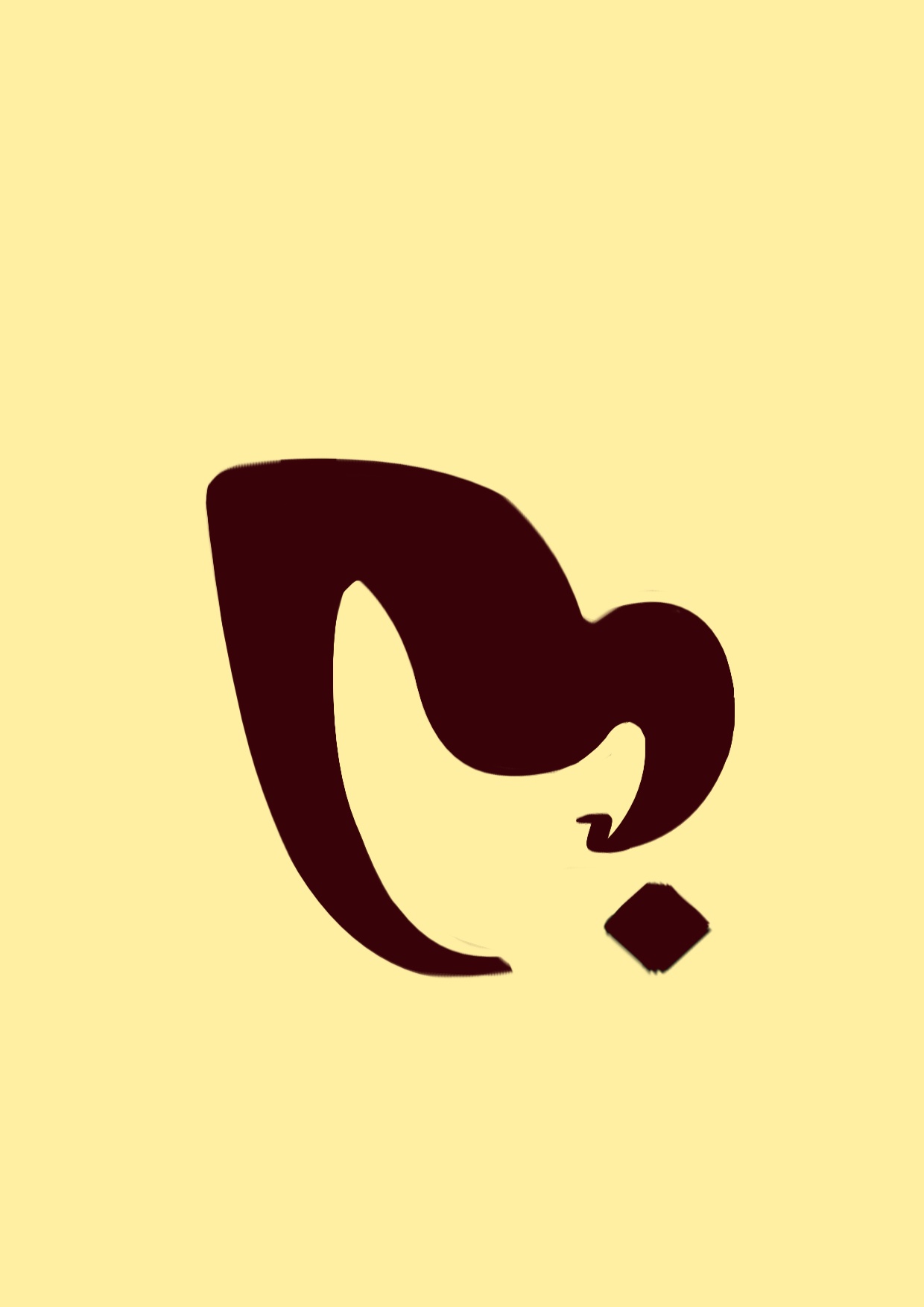
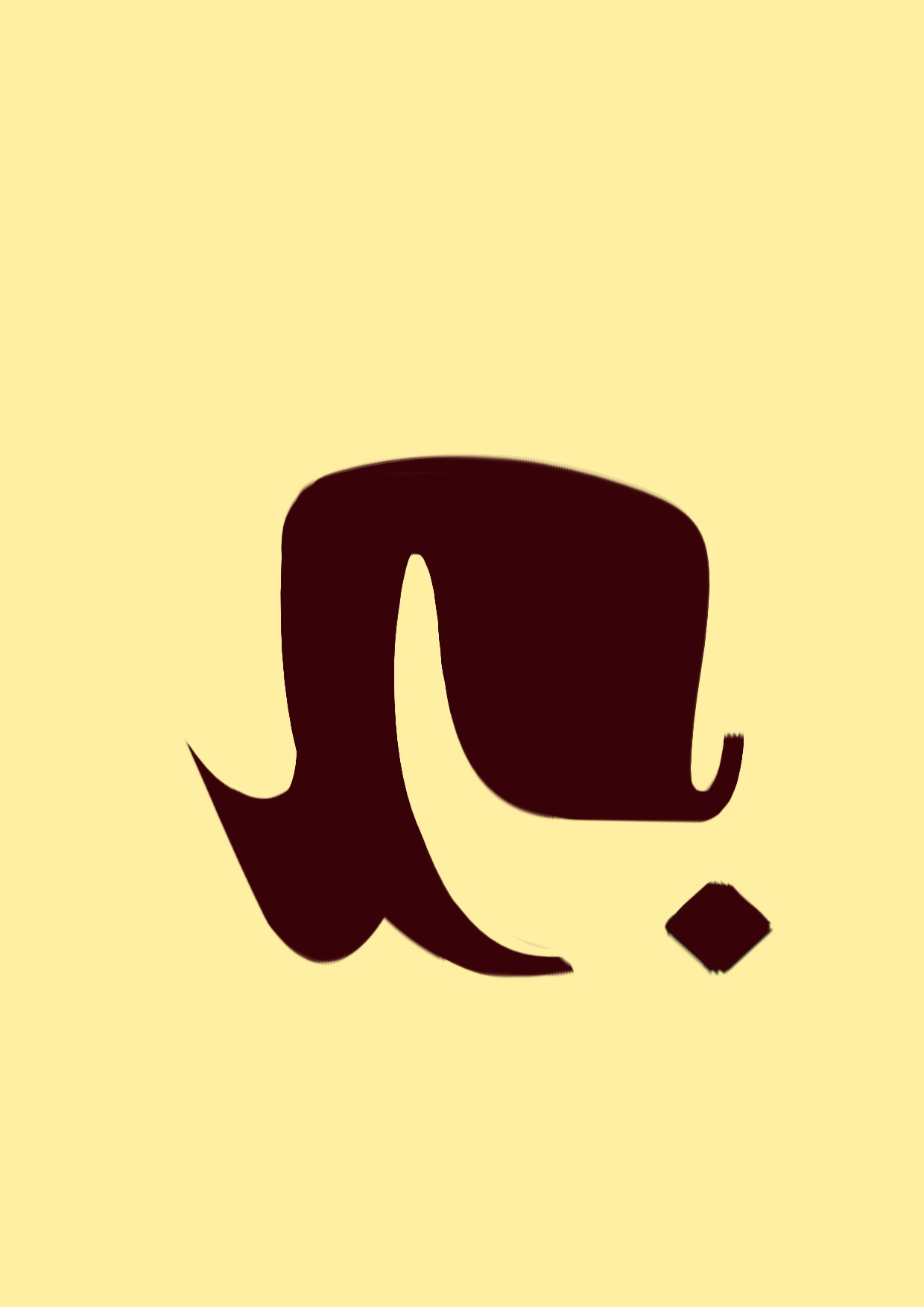
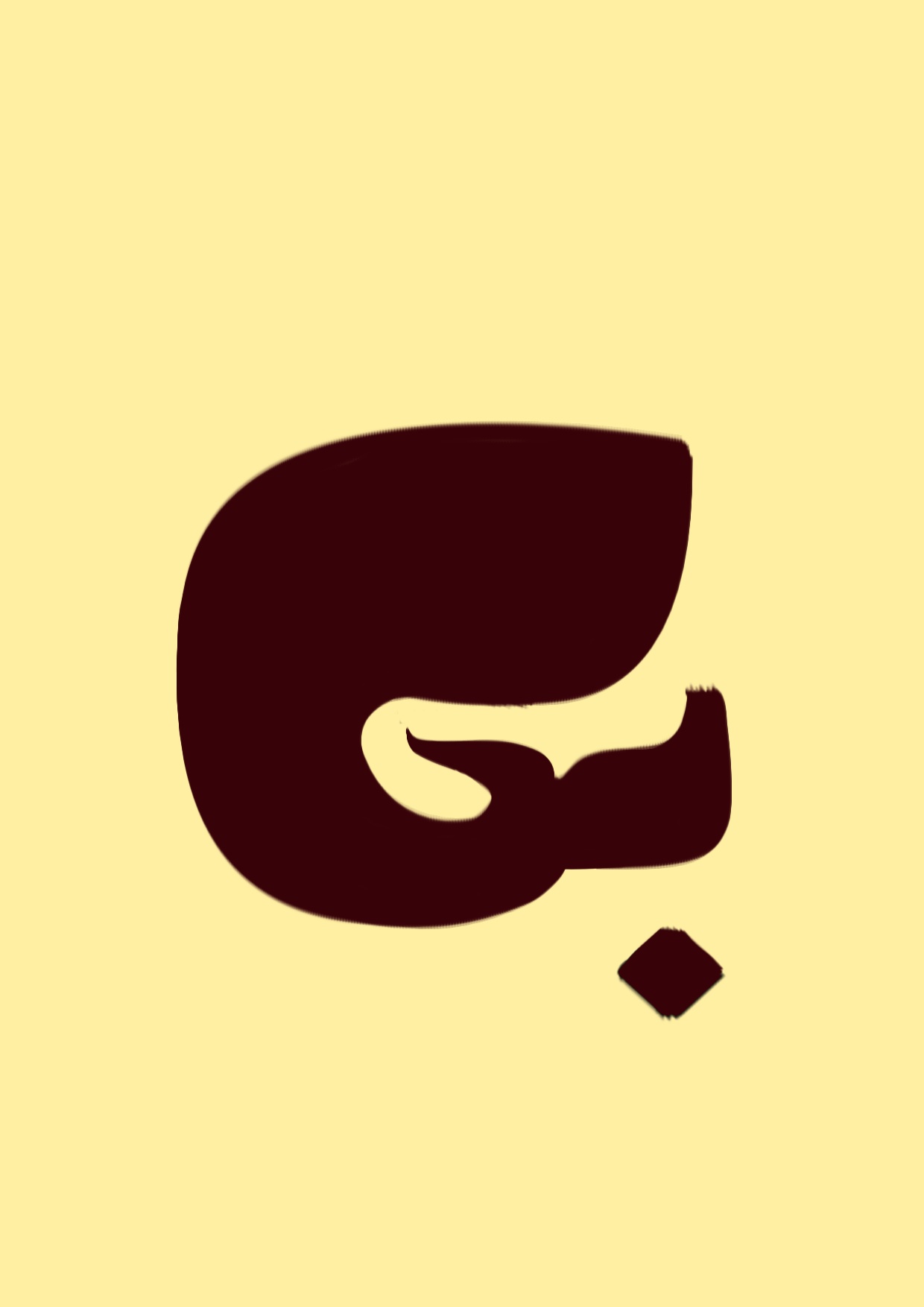
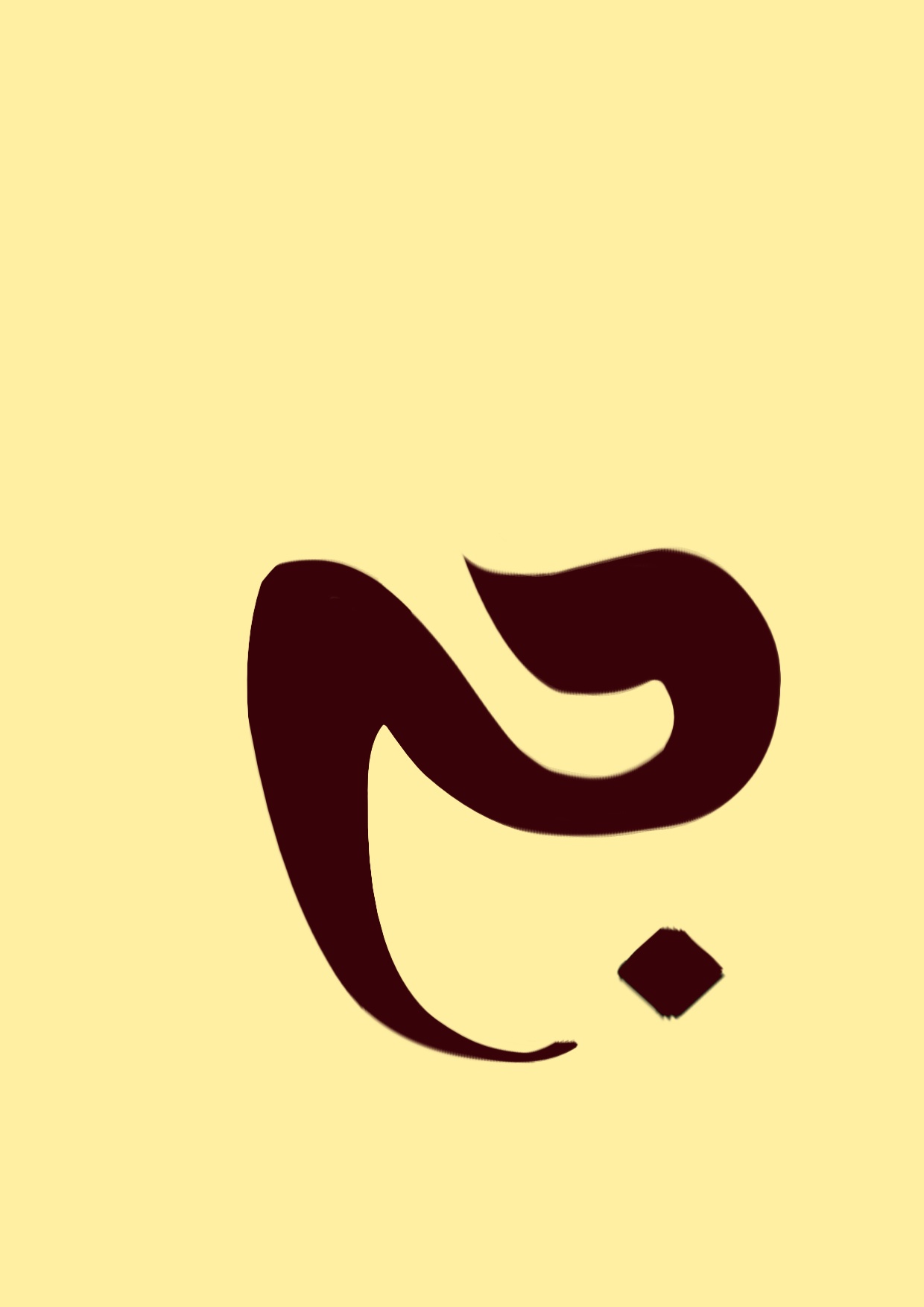
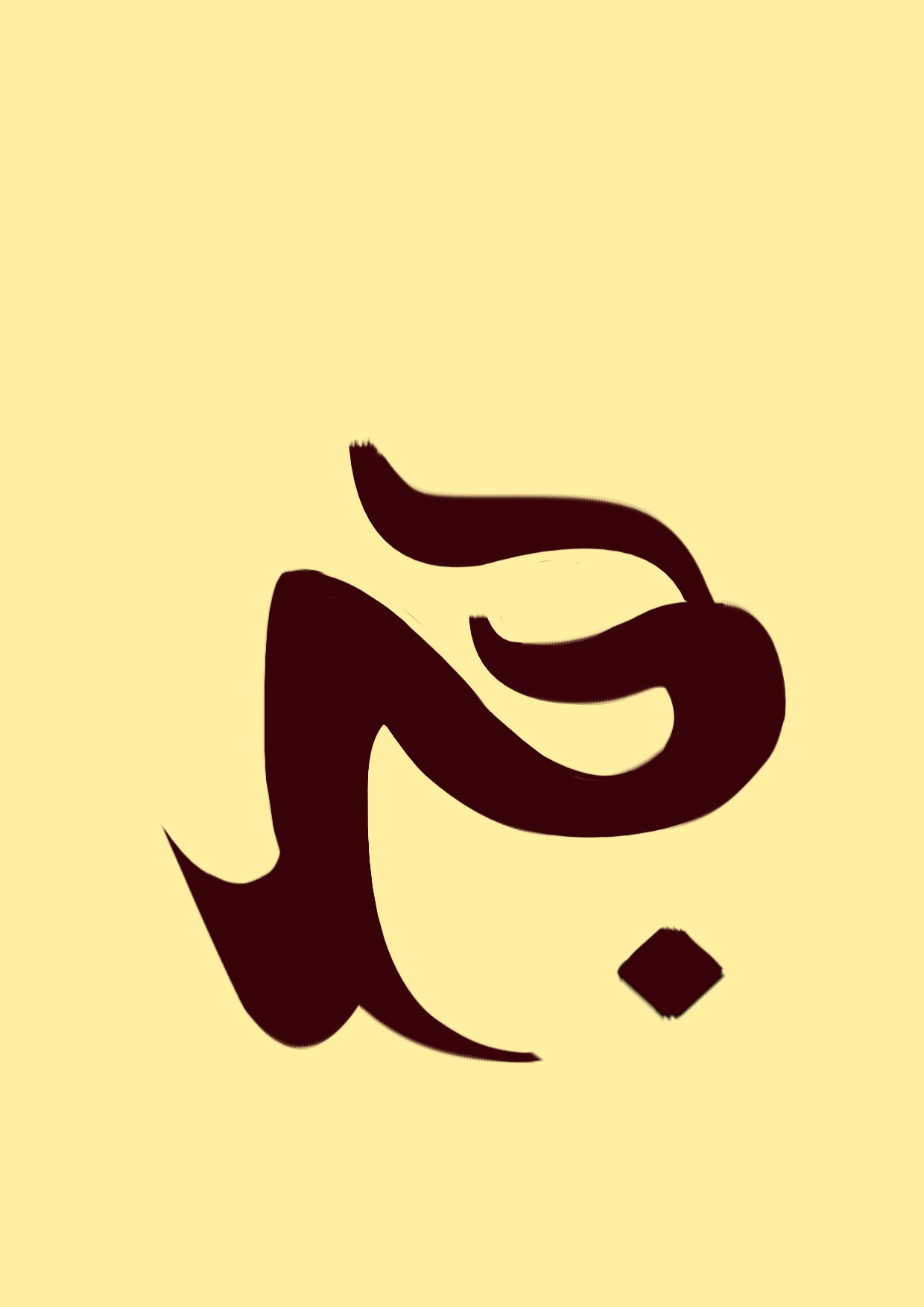
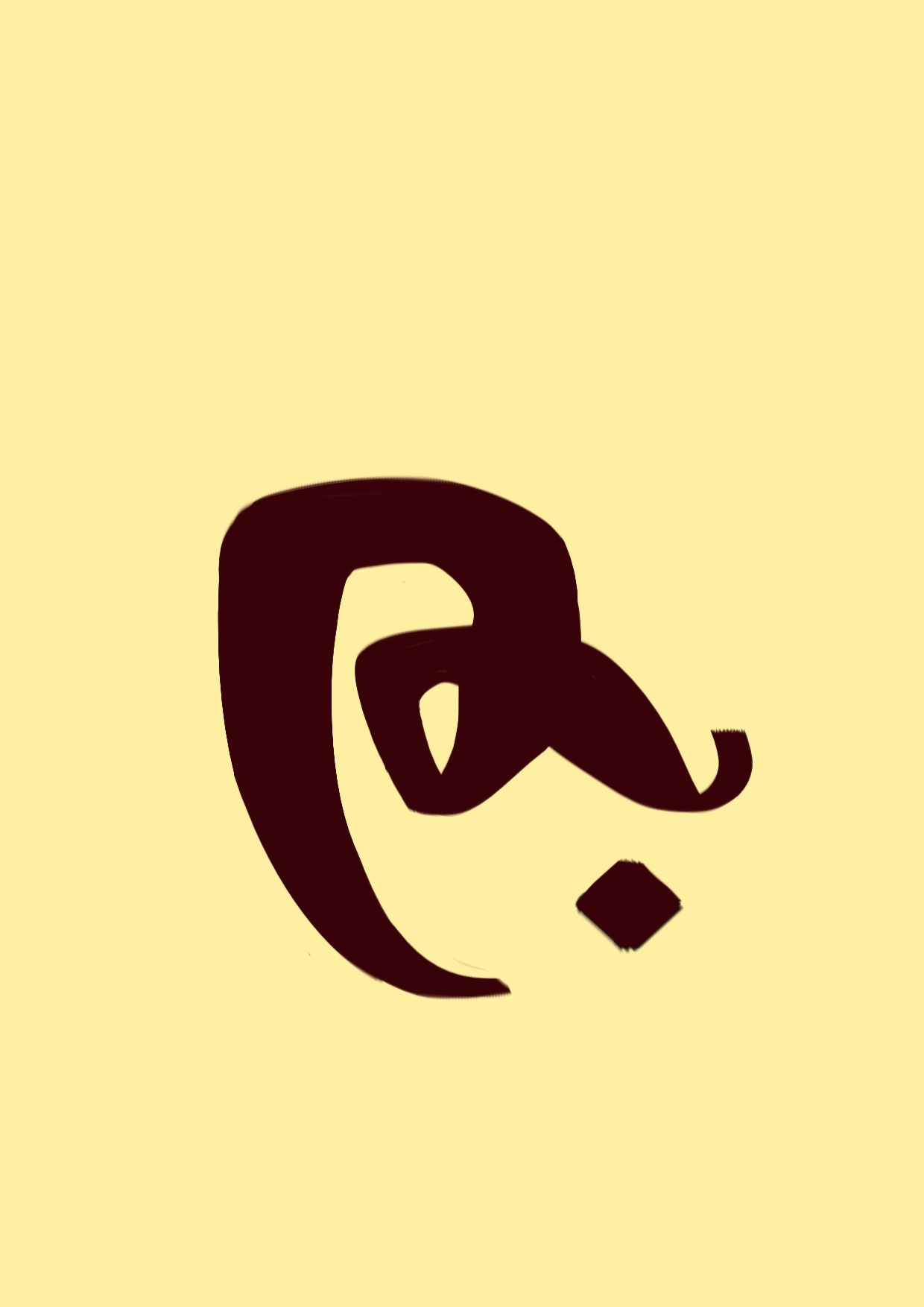
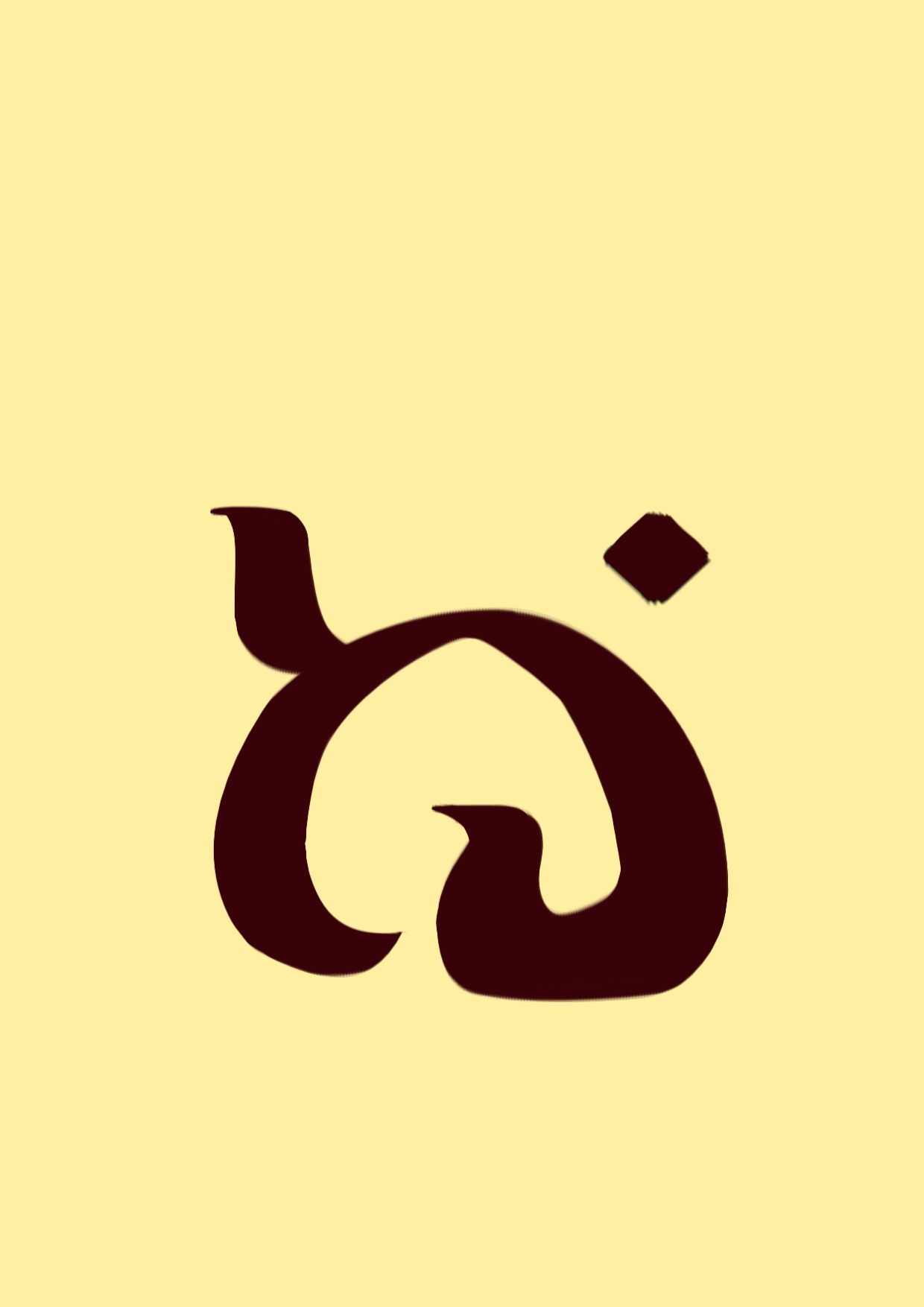
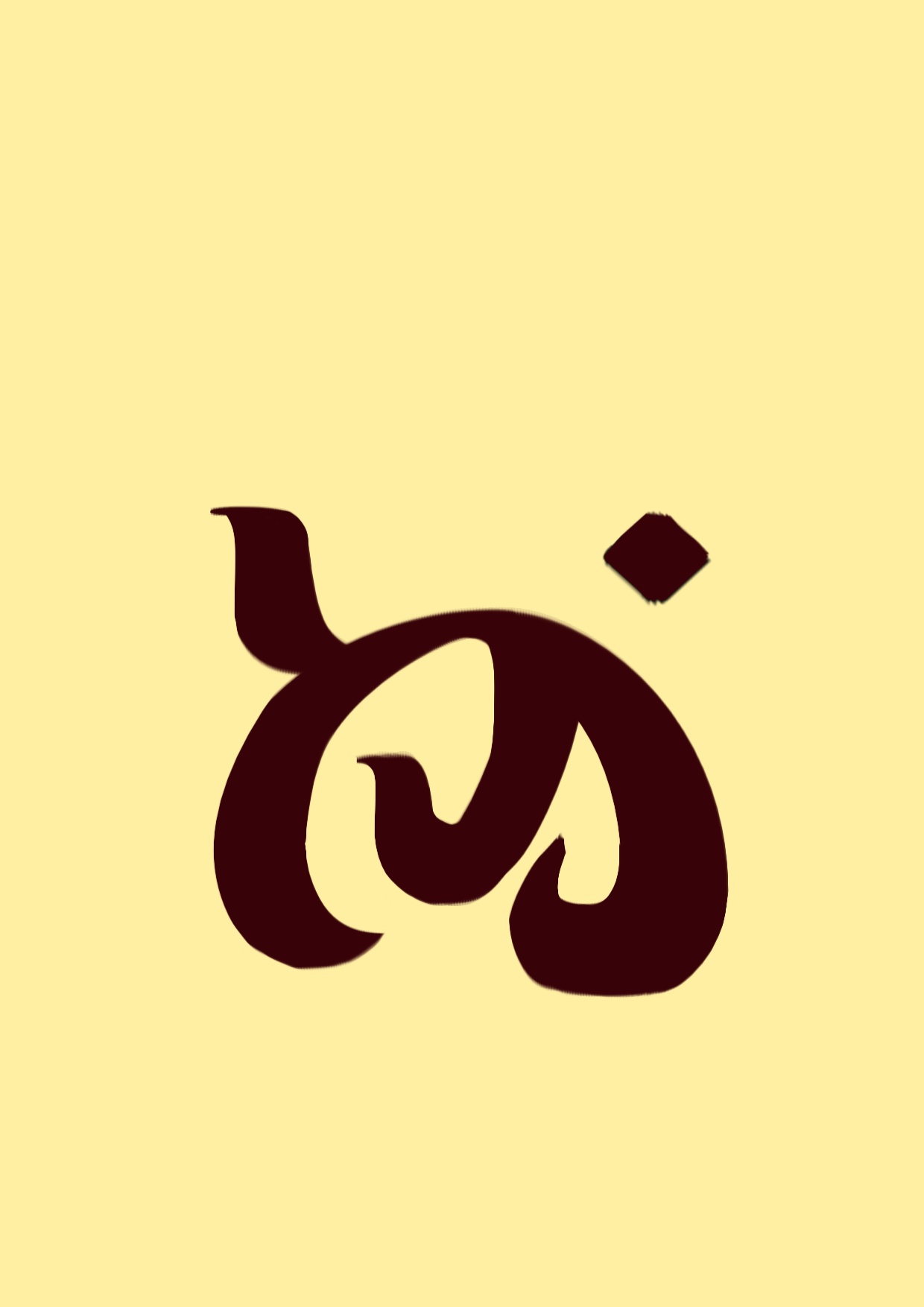
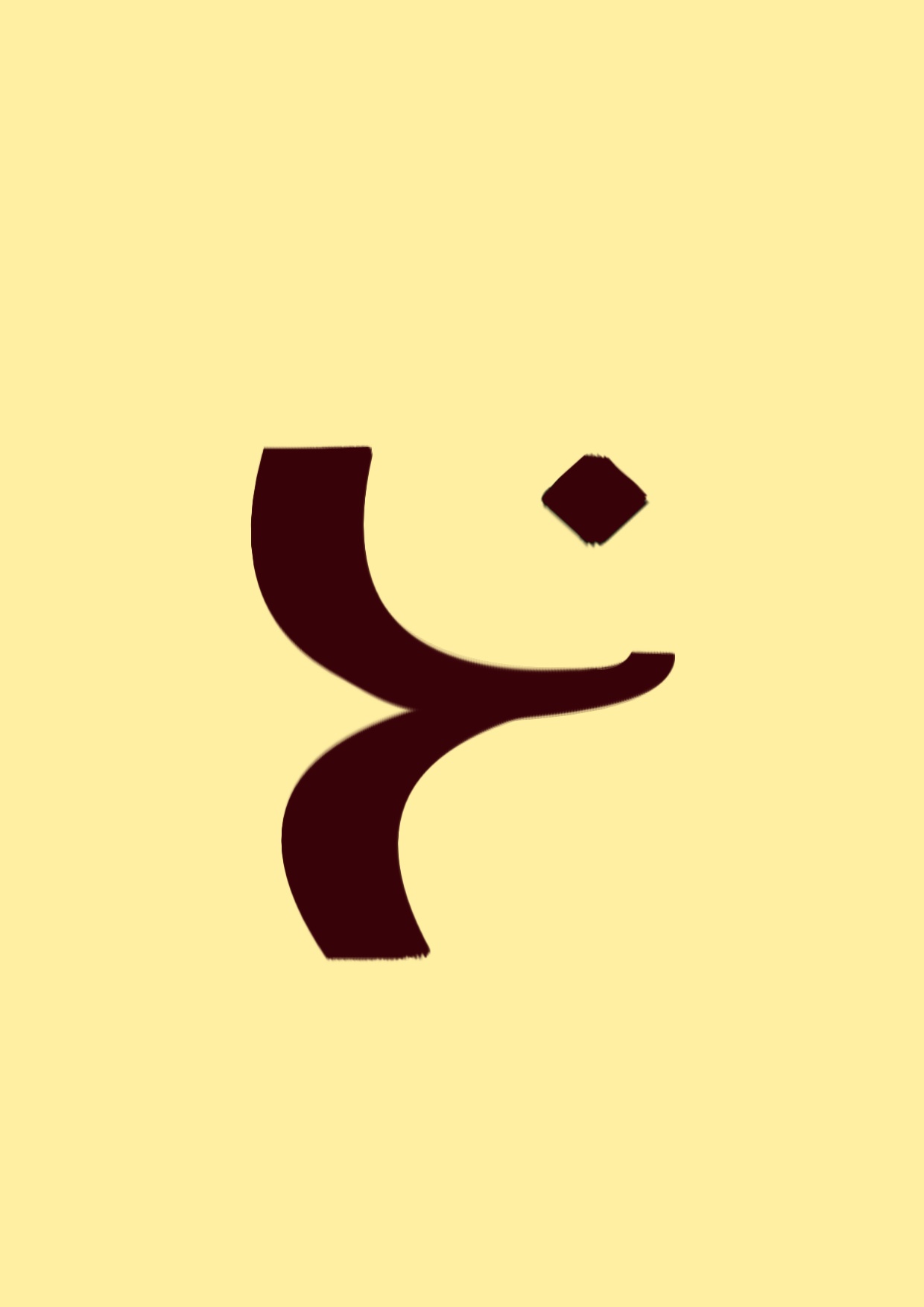
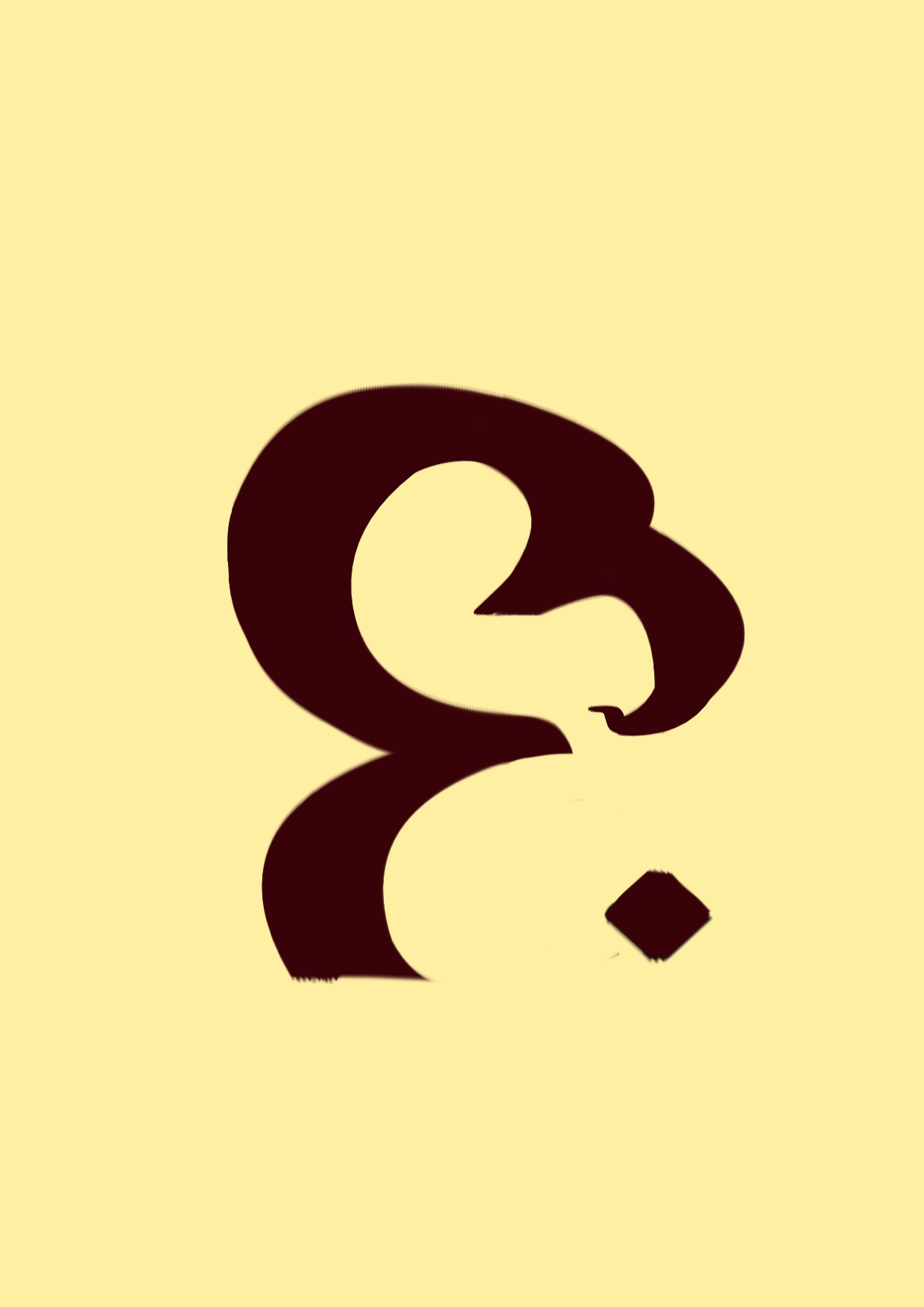
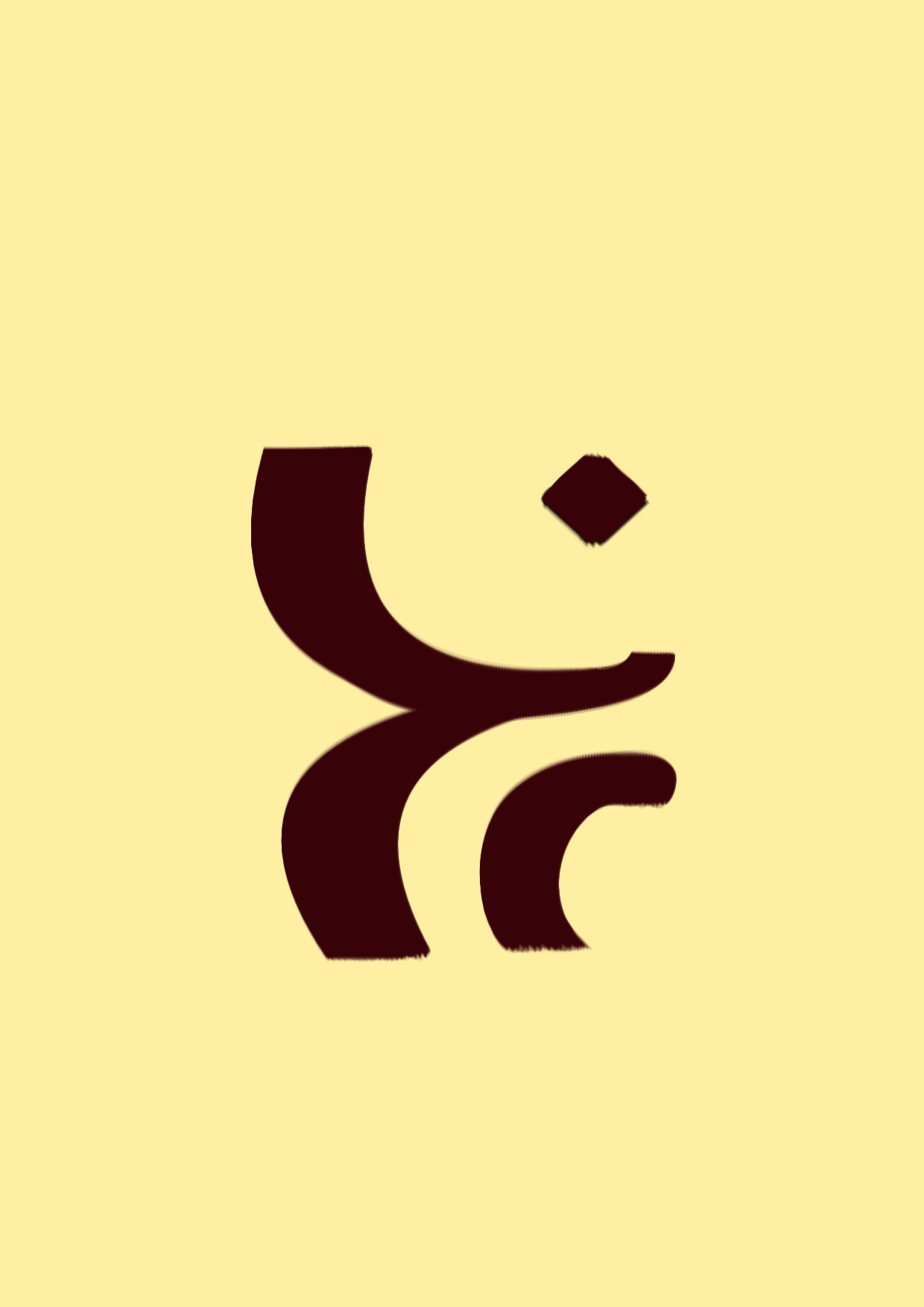
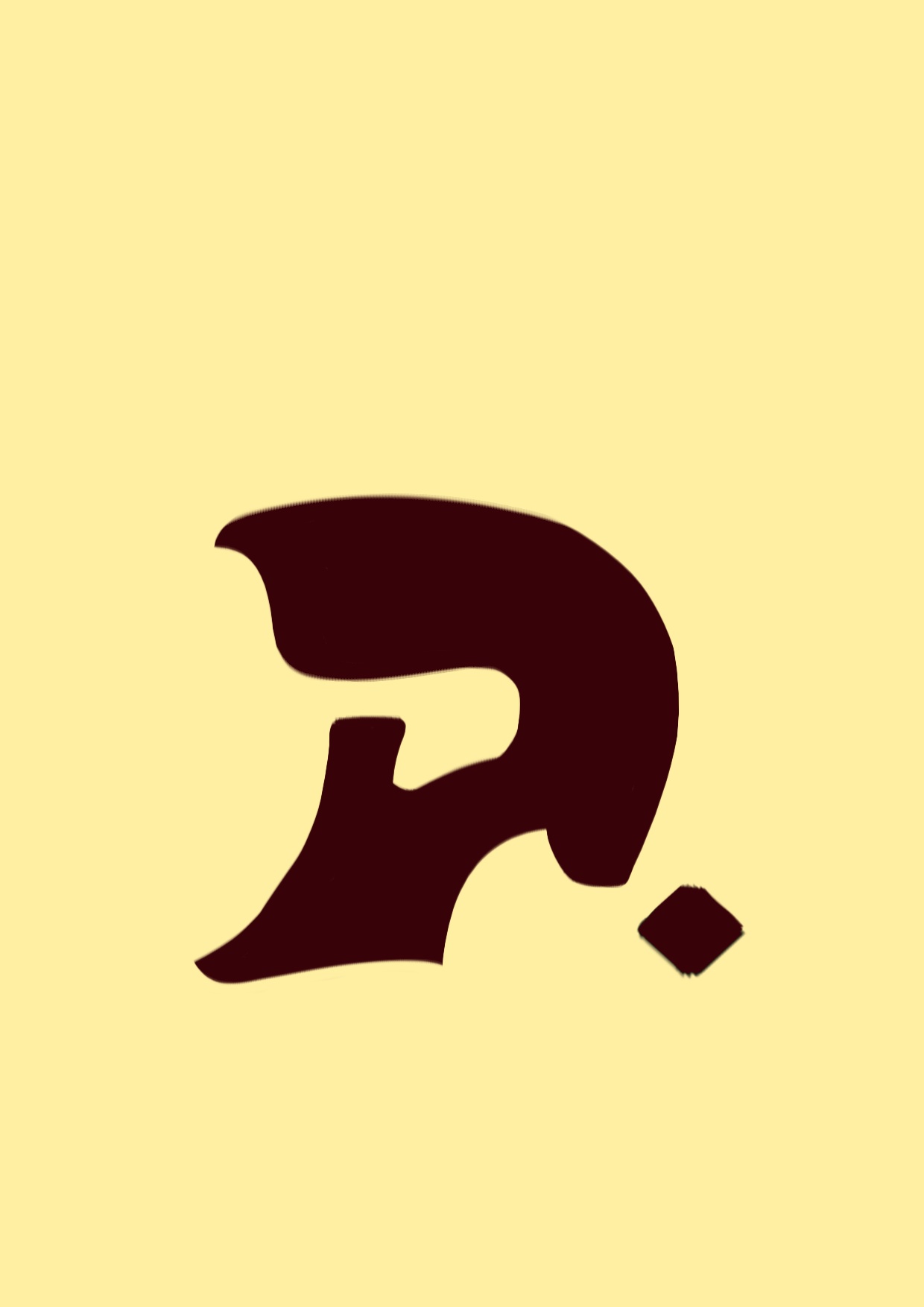
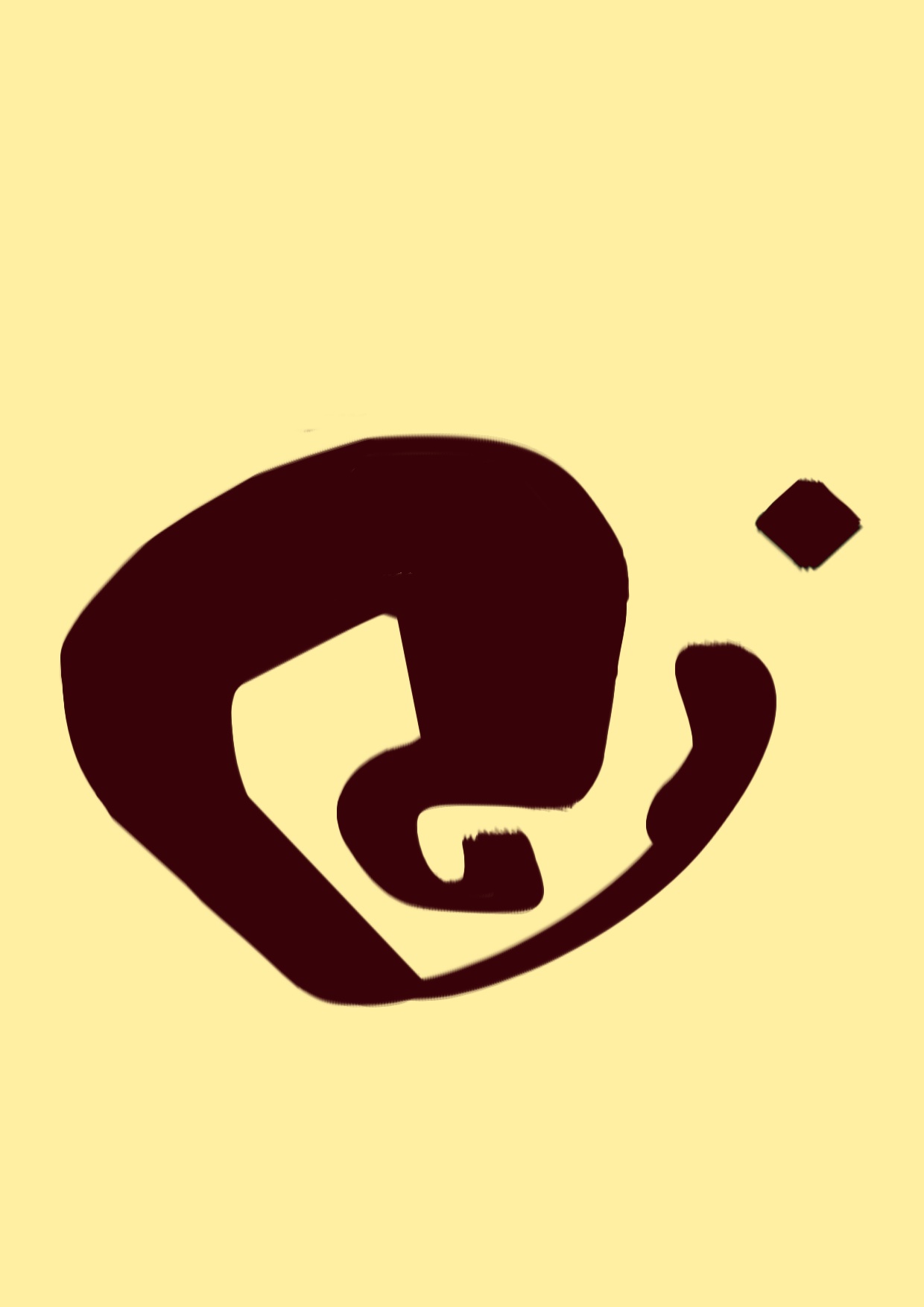
1) Open syllables are formed by placing the vowel gylph around the consonant character, as with the /ɾ/ + /œ/ = /ɾœ/ rö: to drink :
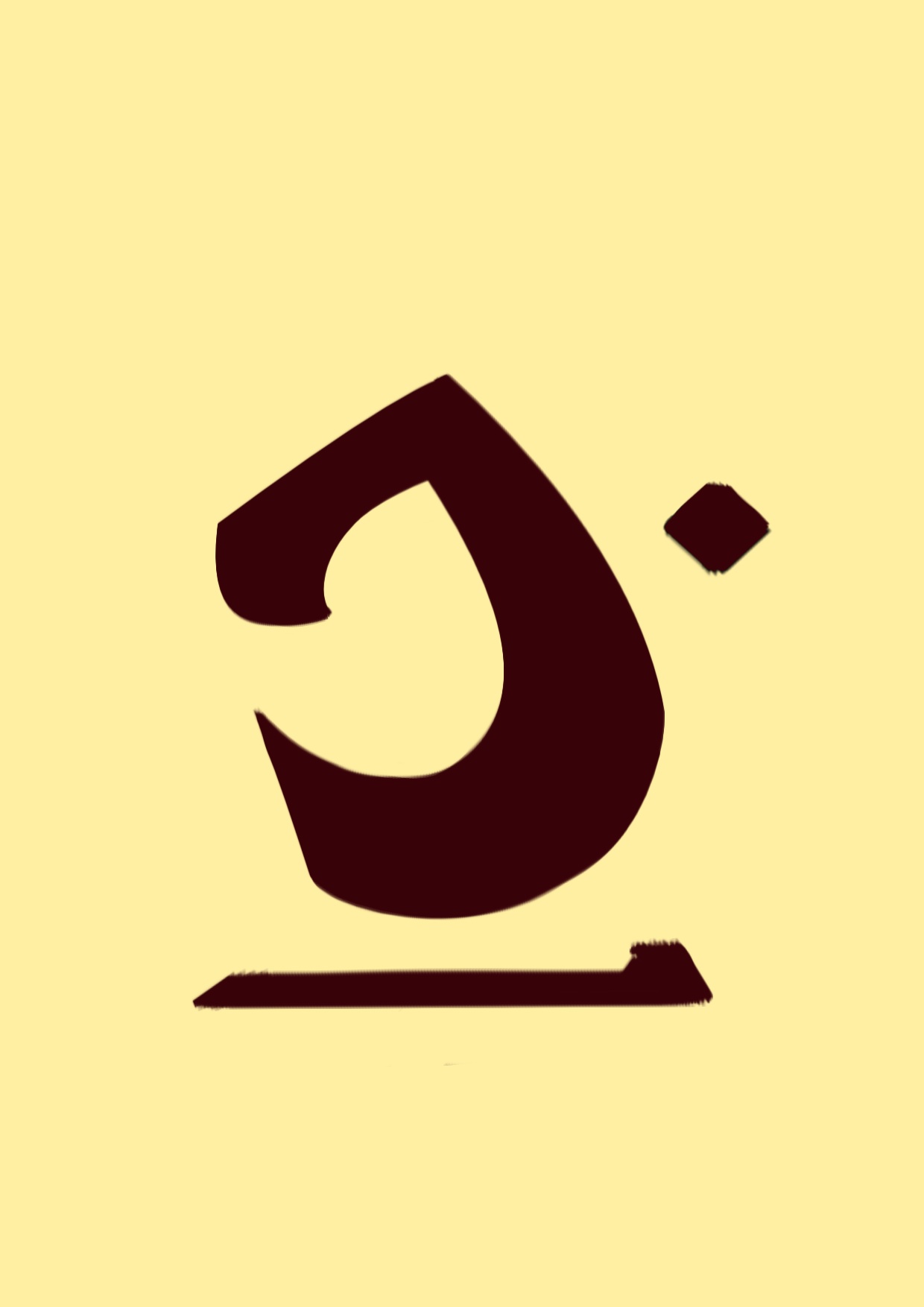
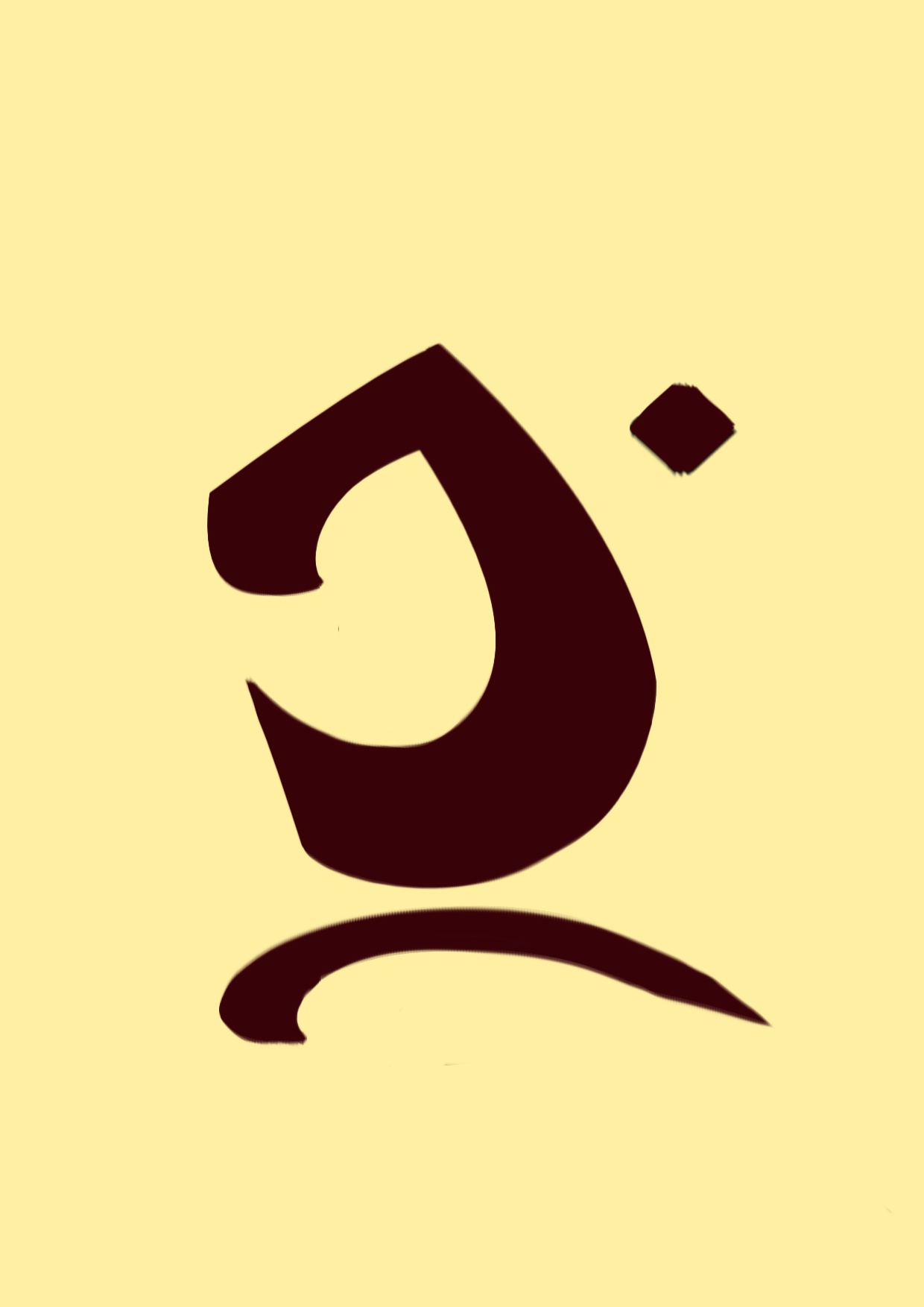
The vowel /a/ ā and its nasal counterpart /ɑ̃/ an when combined with a consonant are represented by a horizontal line or curve respectively, and placed directly below the consonant character:
The vowel /ɛ/ e and its nasal counterpart /ɛ̃/ en when combined with a consonant are represented by a vertical line or curve respectively, and placed to the left of the consonant character:
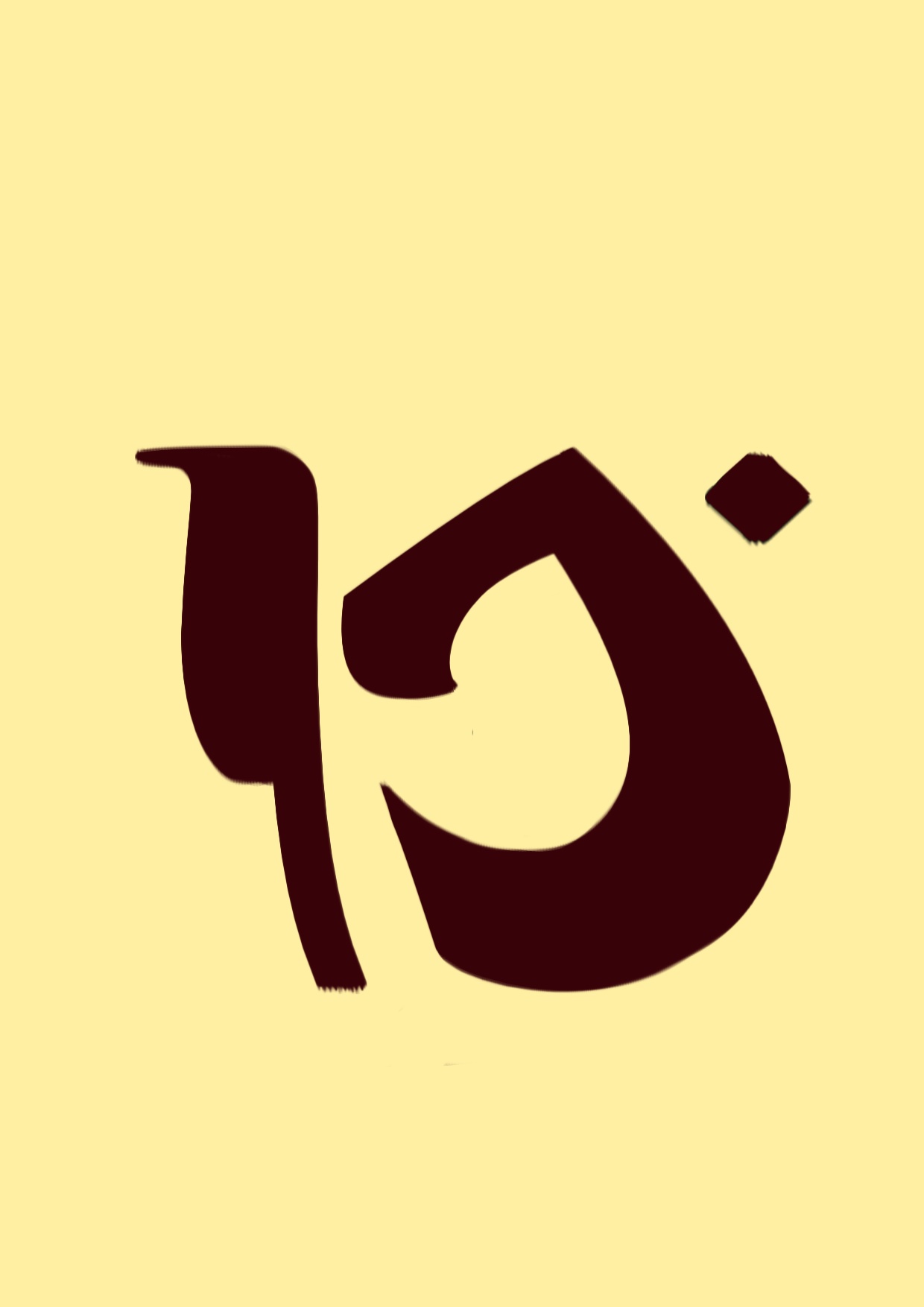
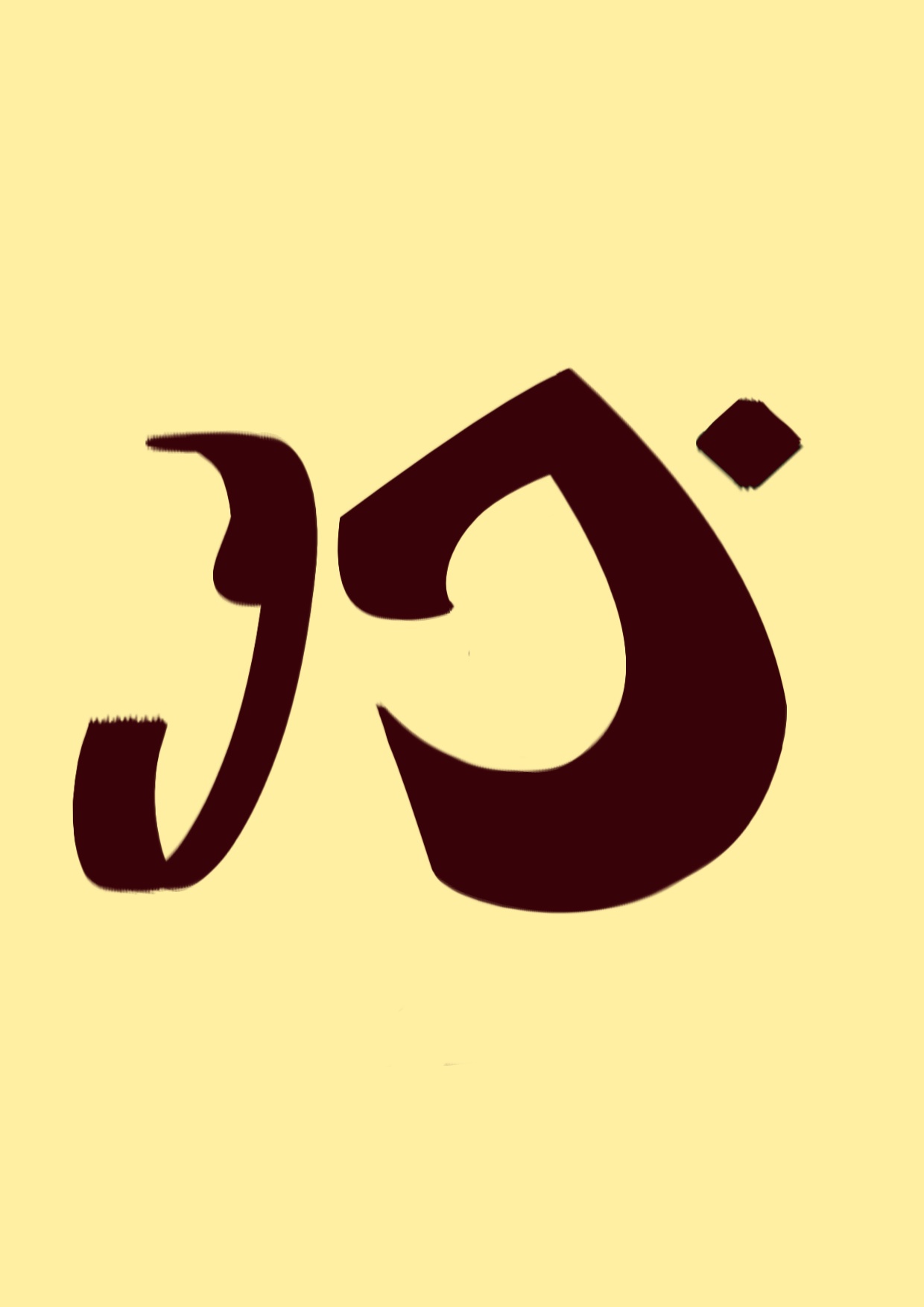
The vowel /ɔ/ o and its nasal counterpart /ɔ̃/ on when combined with a consonant are represented by a vertical line or curve respectively, and placed to the right of the consonant character:
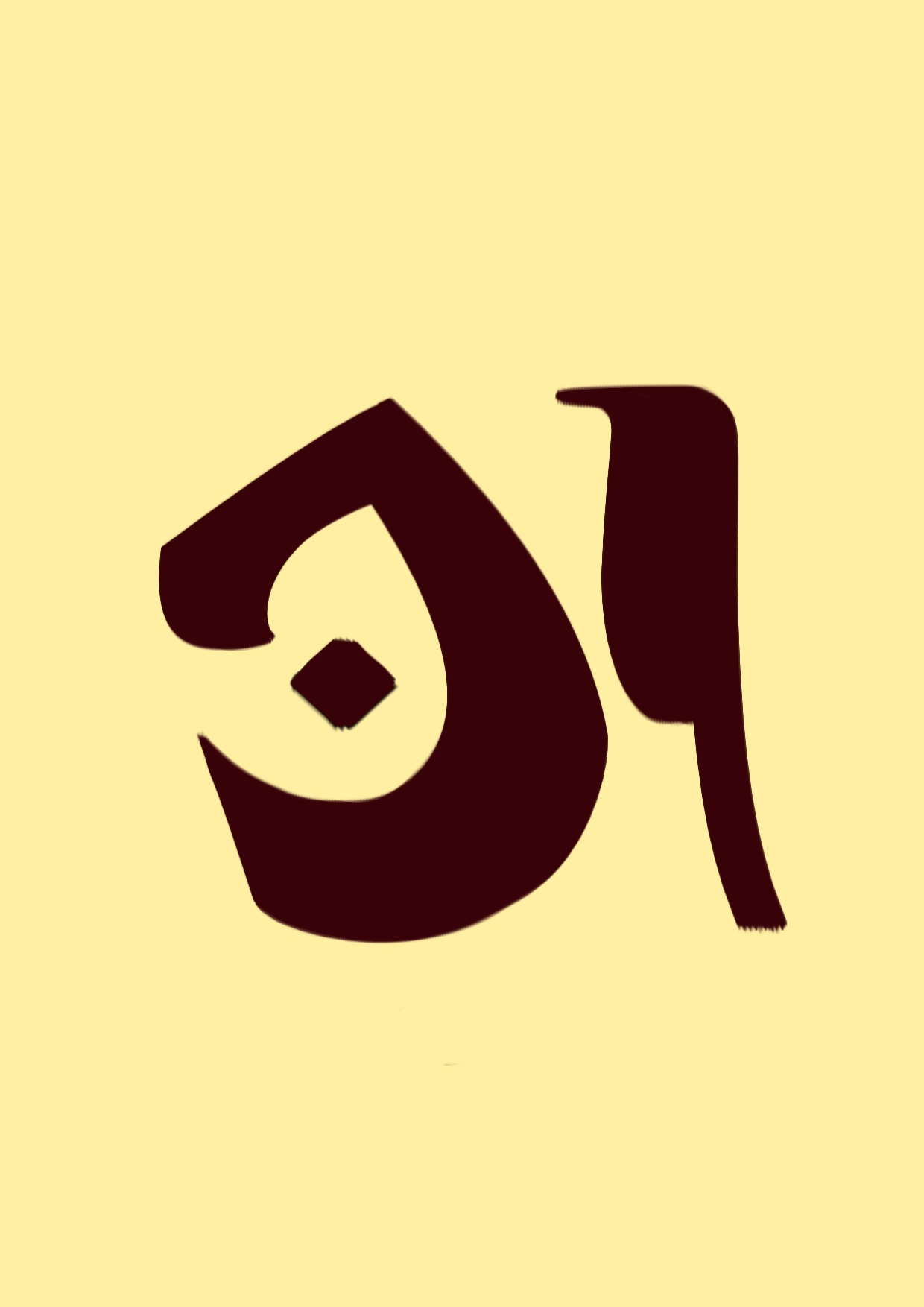
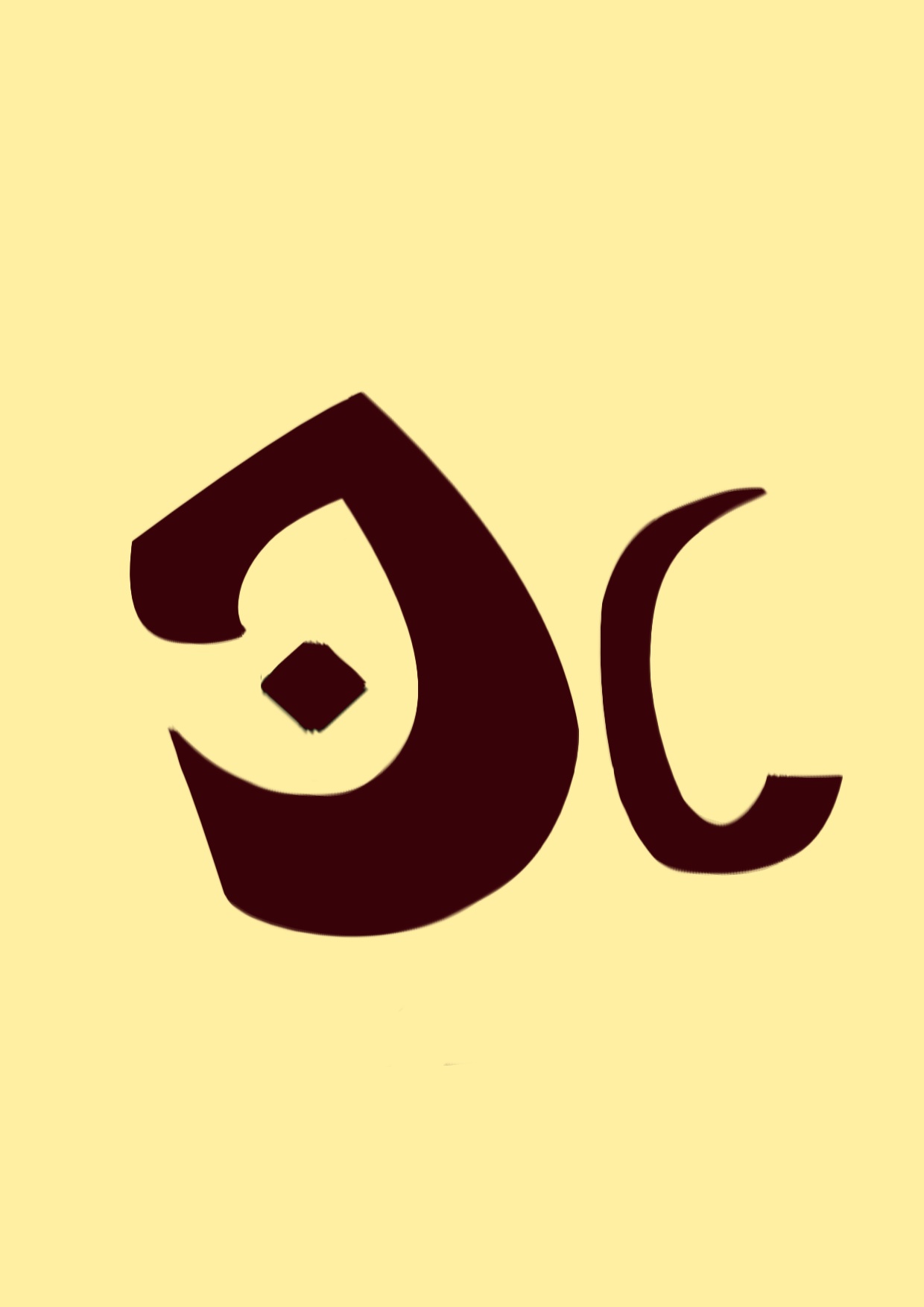
The vowel /ə/ a when combined with a consonant is represented by a horizontal line drawn through the center (roughly) of the consonant character:
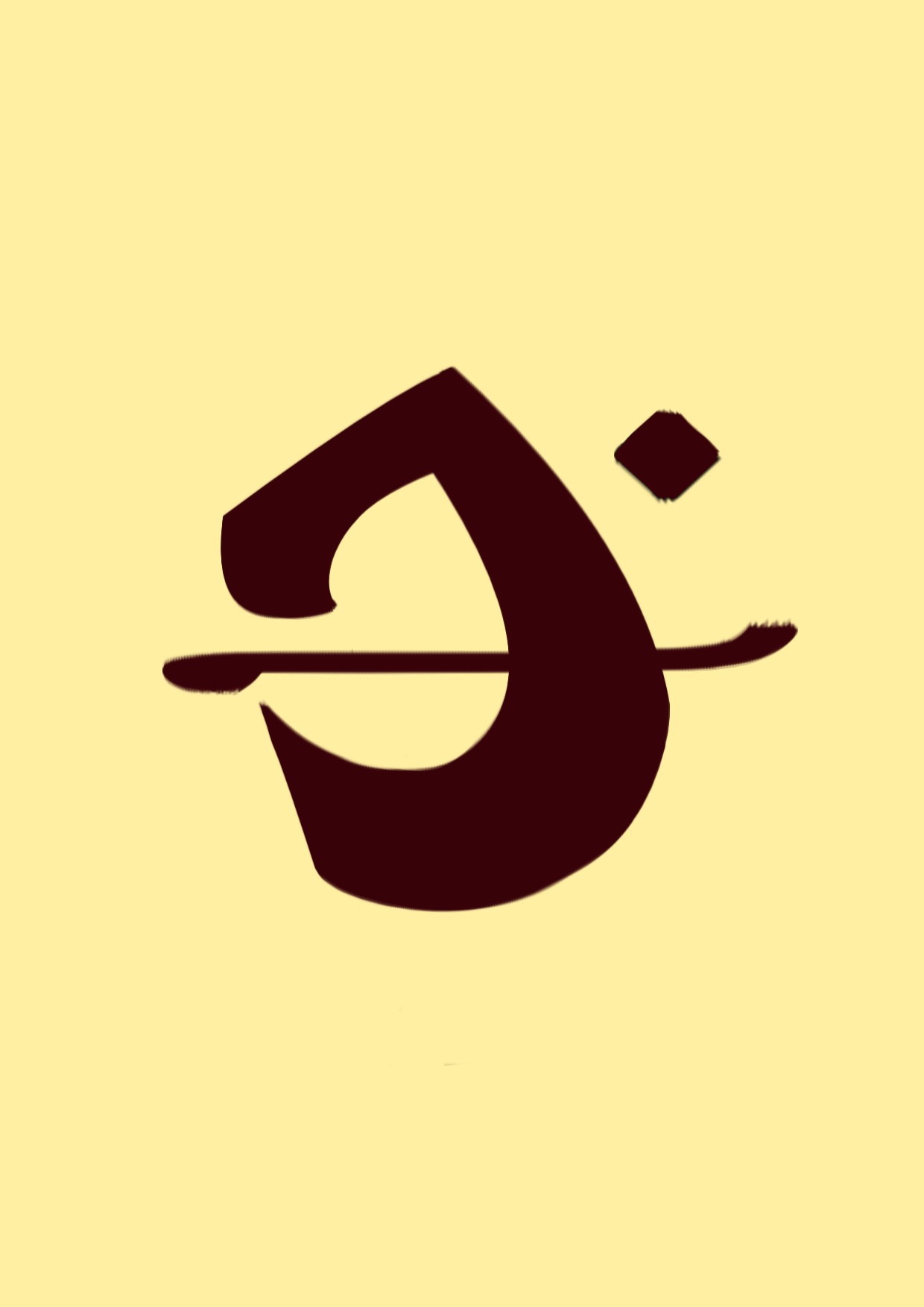
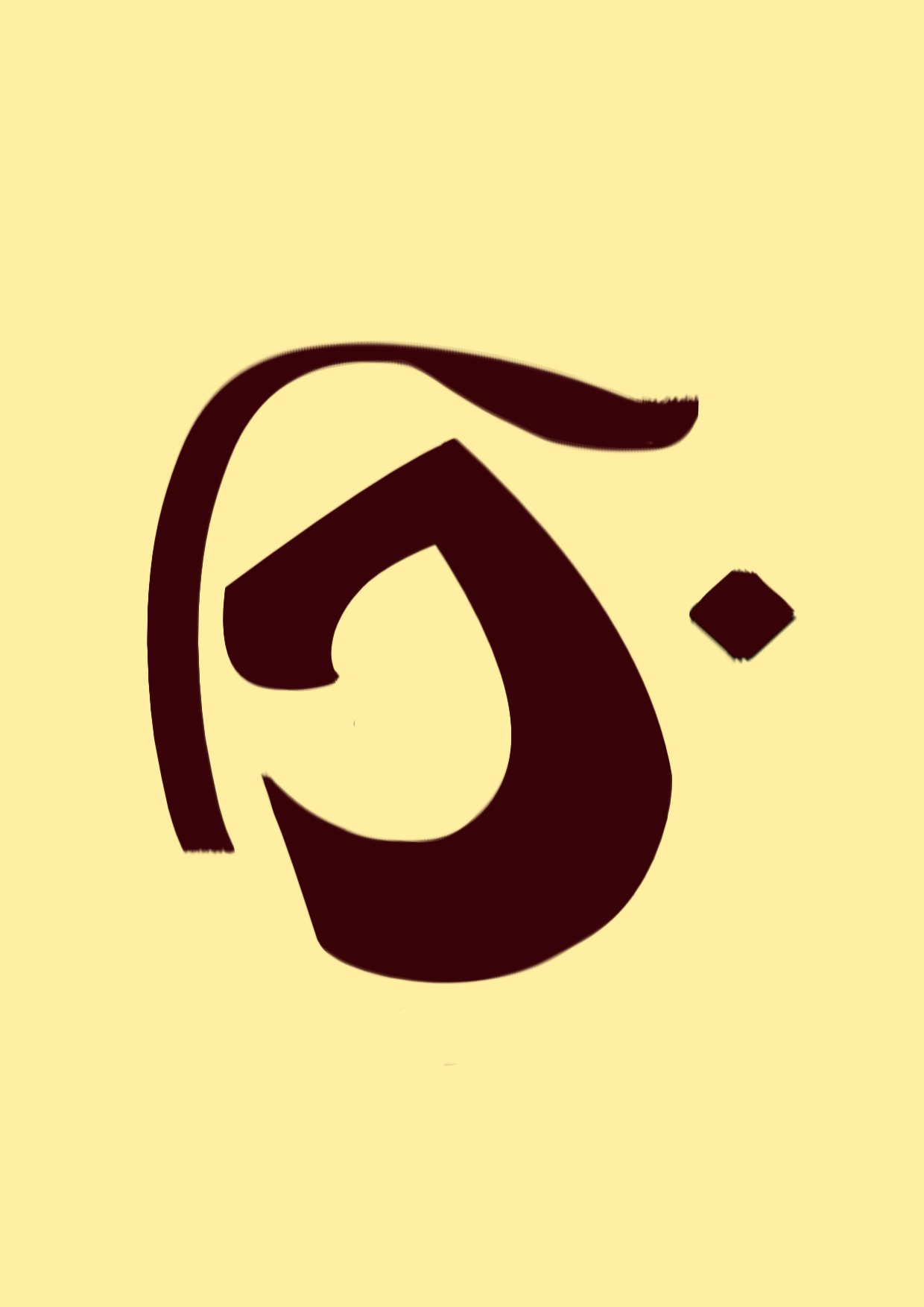
The vowel /e/ ē when combined with a consonant is represented by a diagonal line drawn from the bottom of the consonant character to the top left-hand corner:
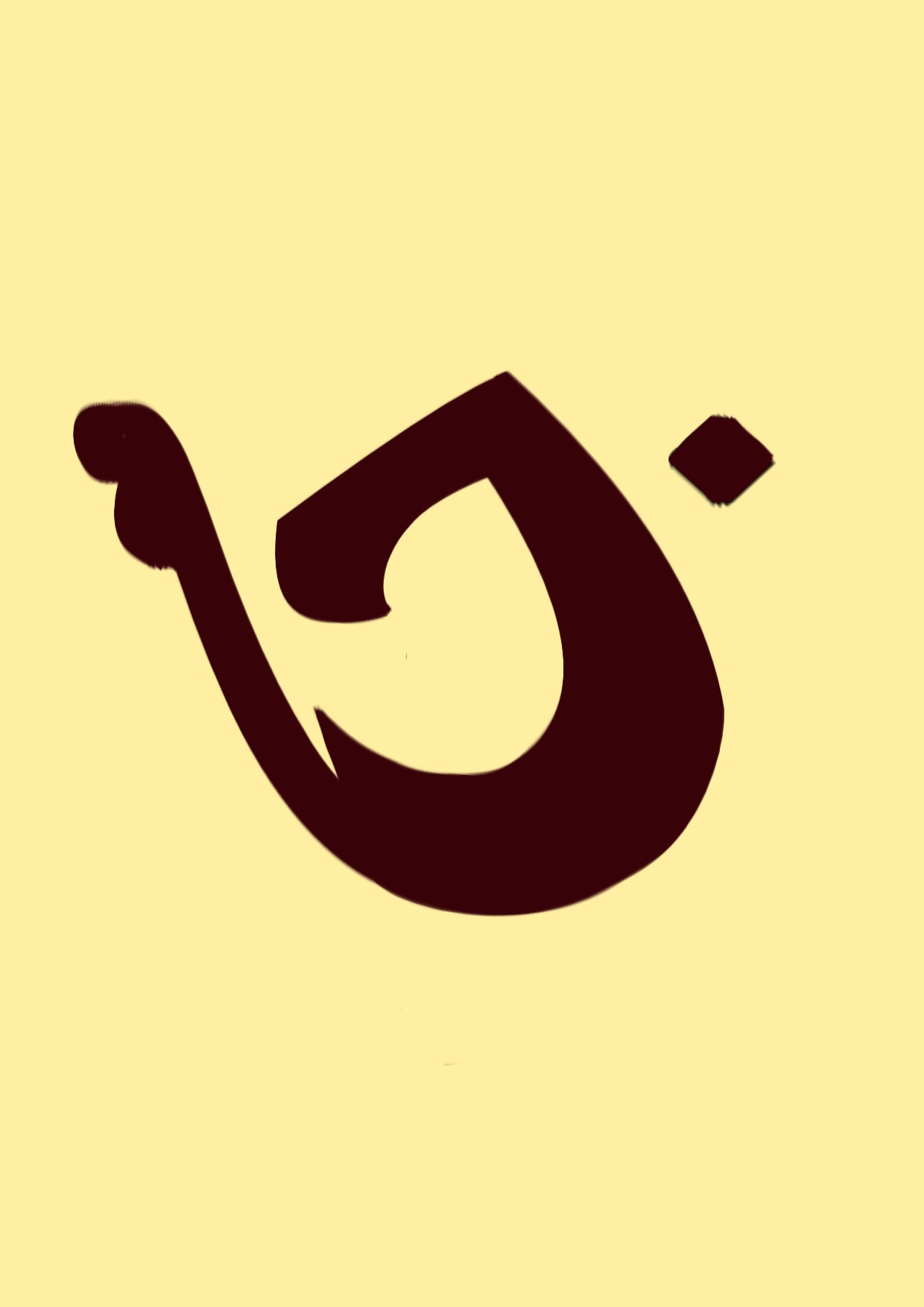
The vowel /œ/ ö when combined with a consonant is represented by a diagonal line drawn from the bottom of the consonant character to the top right-hand corner:
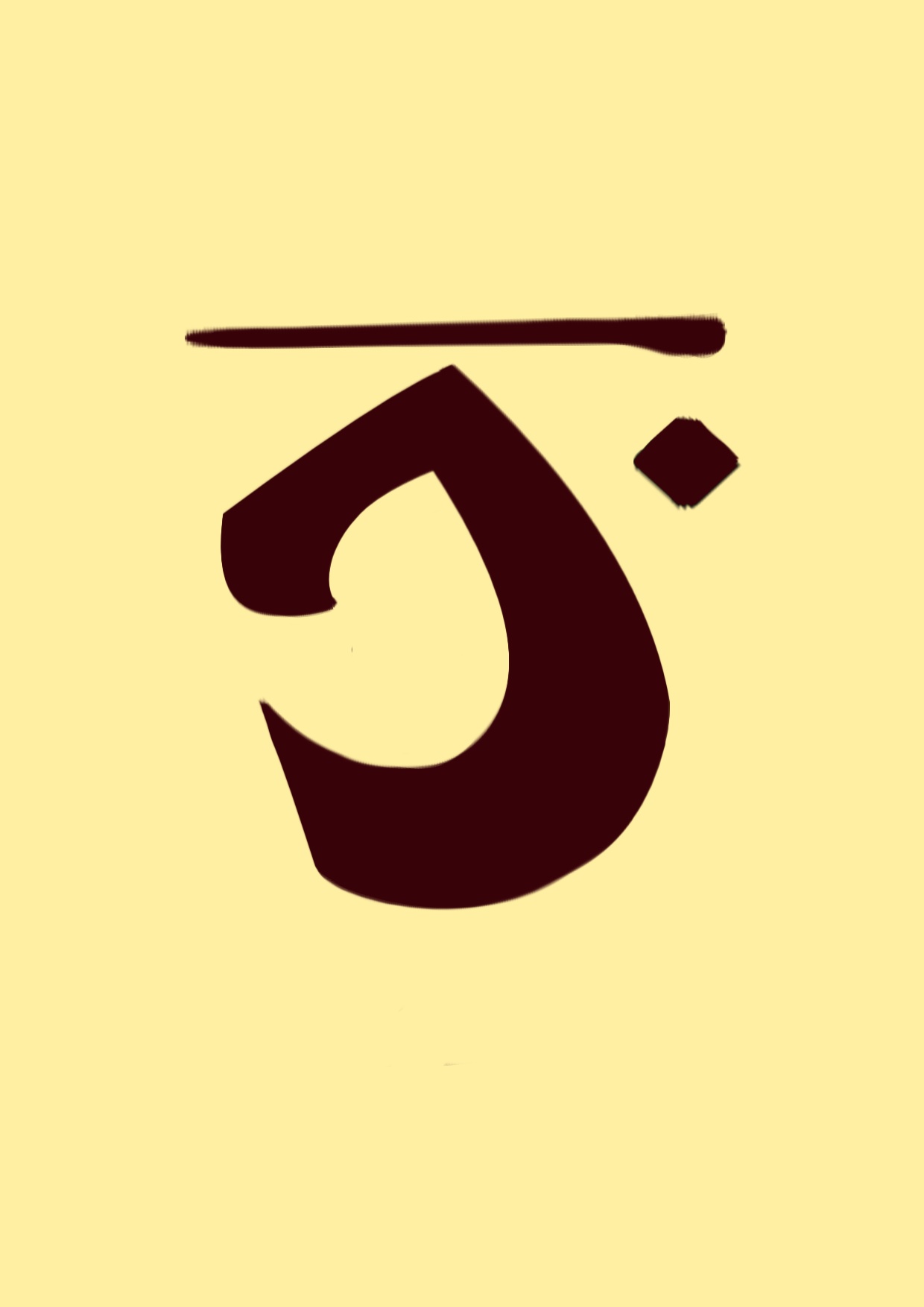
The vowel /u/ u when combined with a consonant is represented by a horizontal line placed directly above the consonant character:
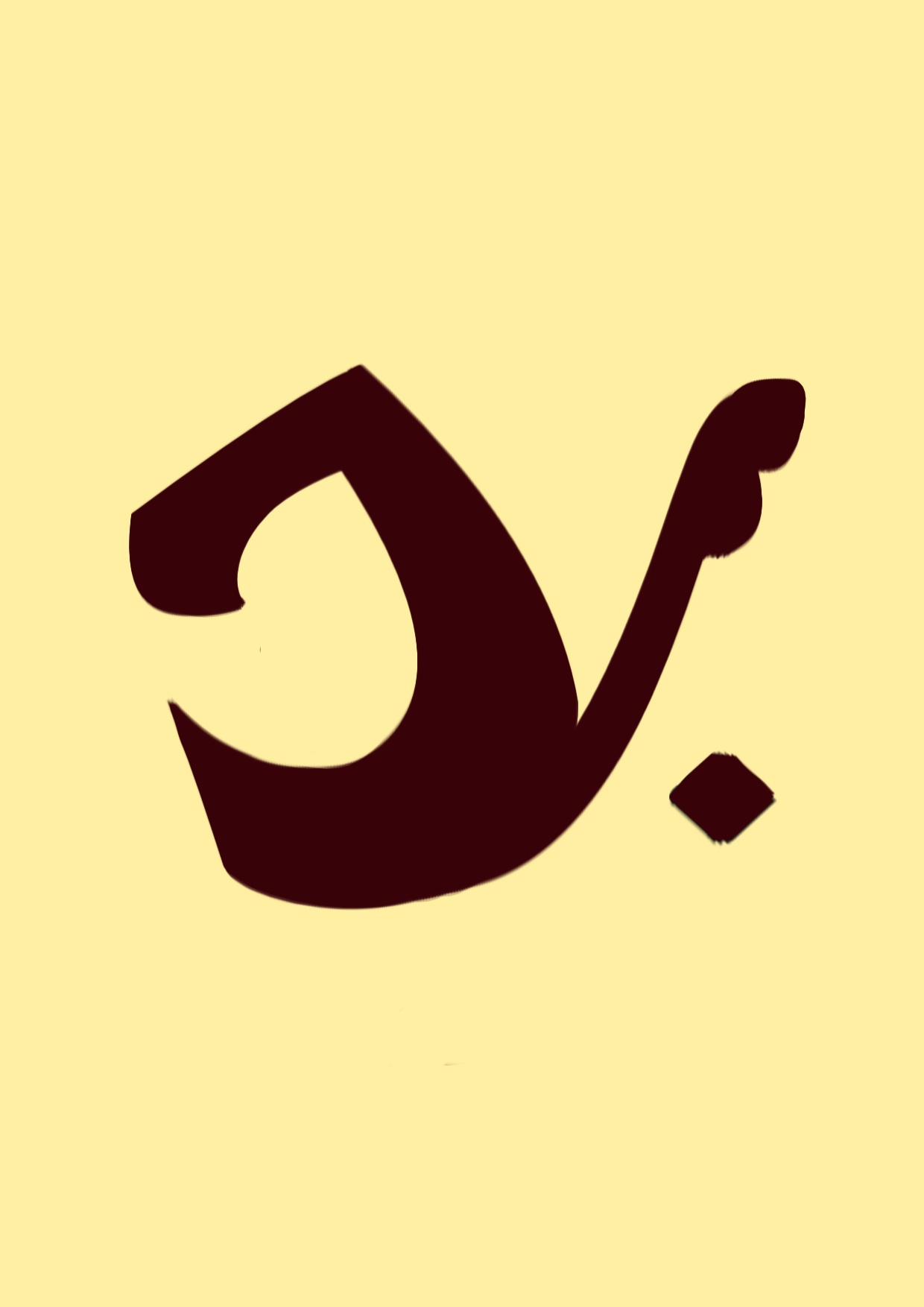
The vowel /ɨ/ y when combined with a consonant is represented by a vertical line drawn through the center (roughly) of the consonant character:
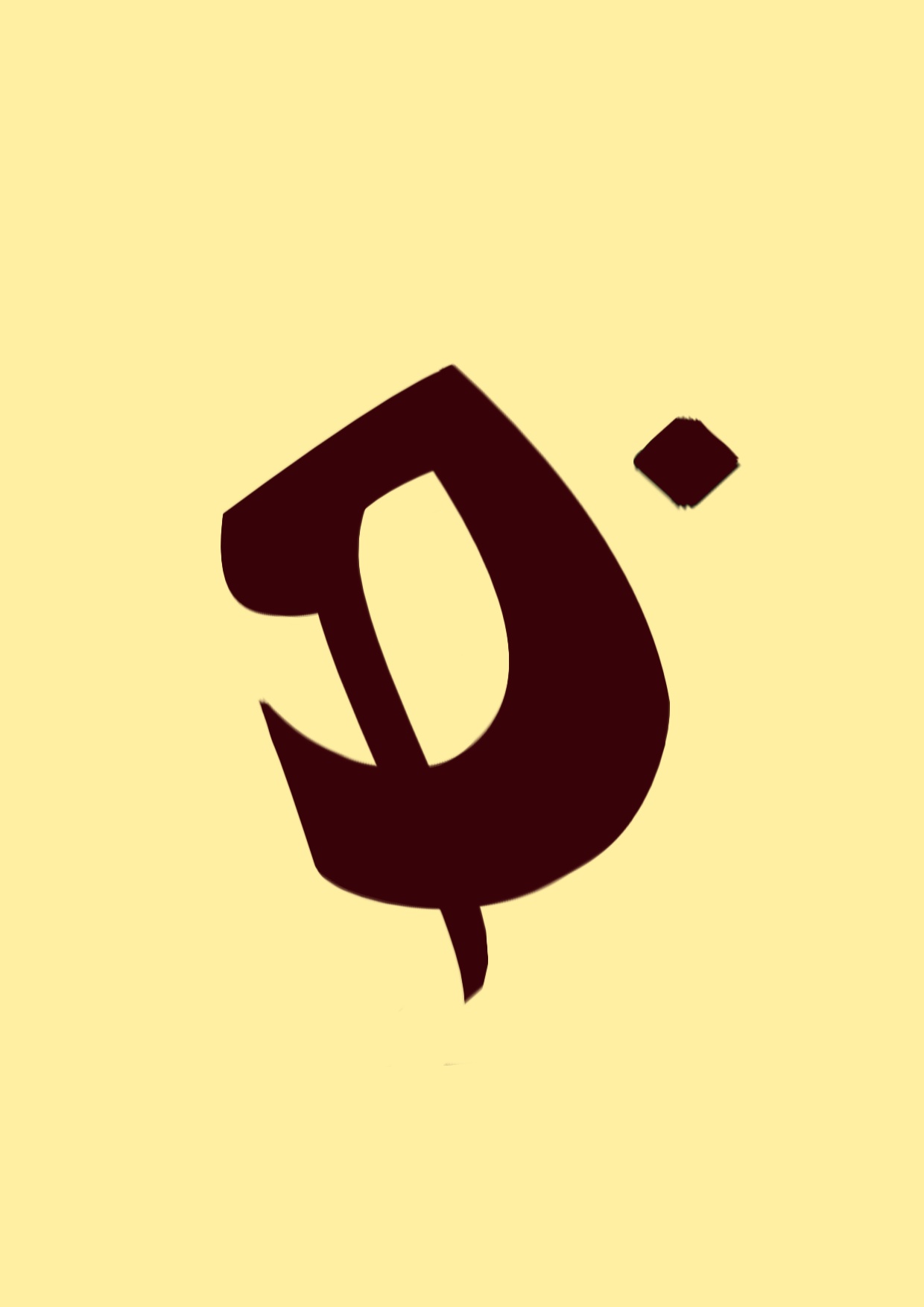
The vowel /i/ ī when combined with a consonant is represented by a large curve drawn from the bottom left of the consonant character to the top right-hand corner:
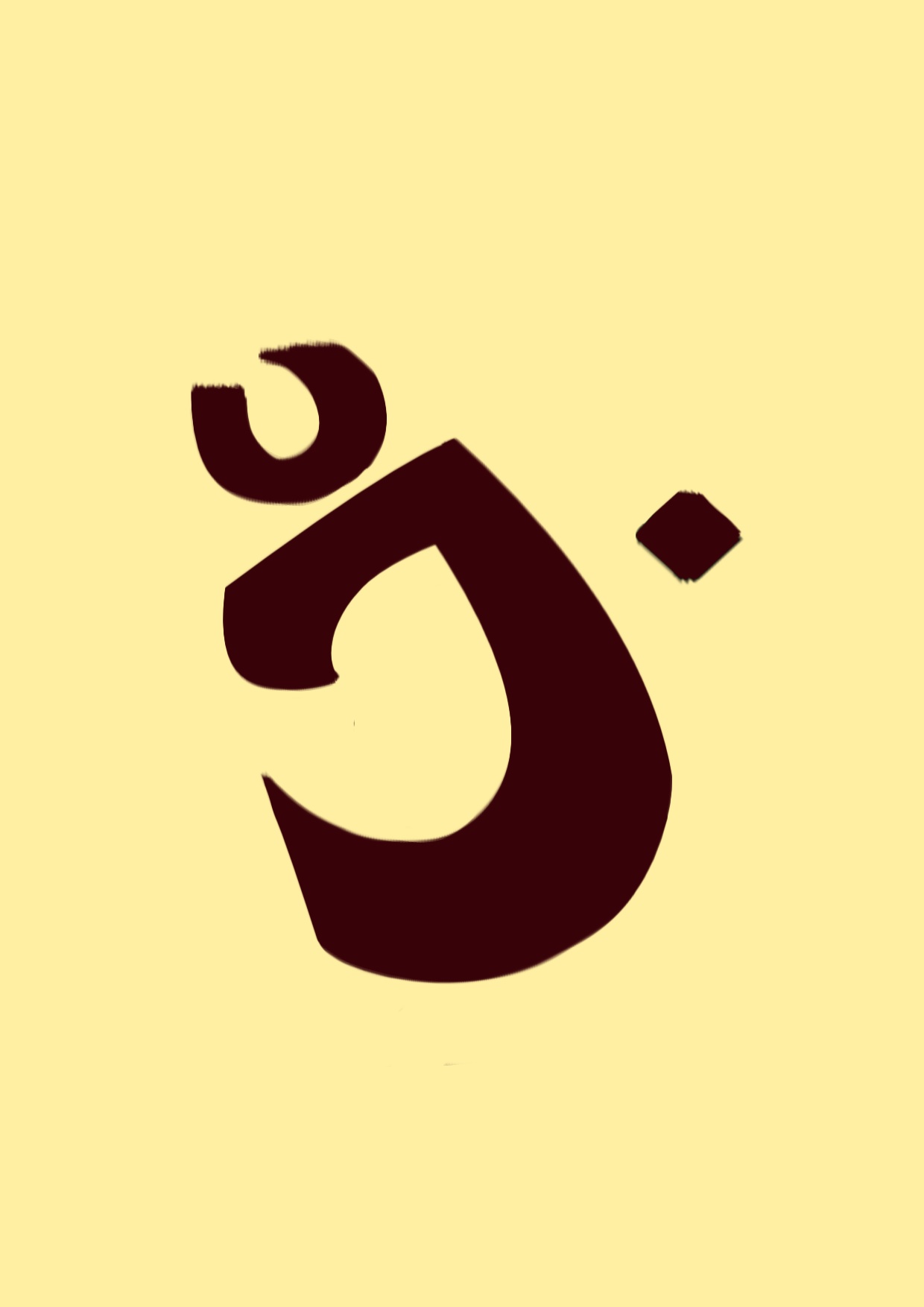
The vowel /y/ ü when combined with a consonant is represented by a crescent drawn above the consonant character to left:
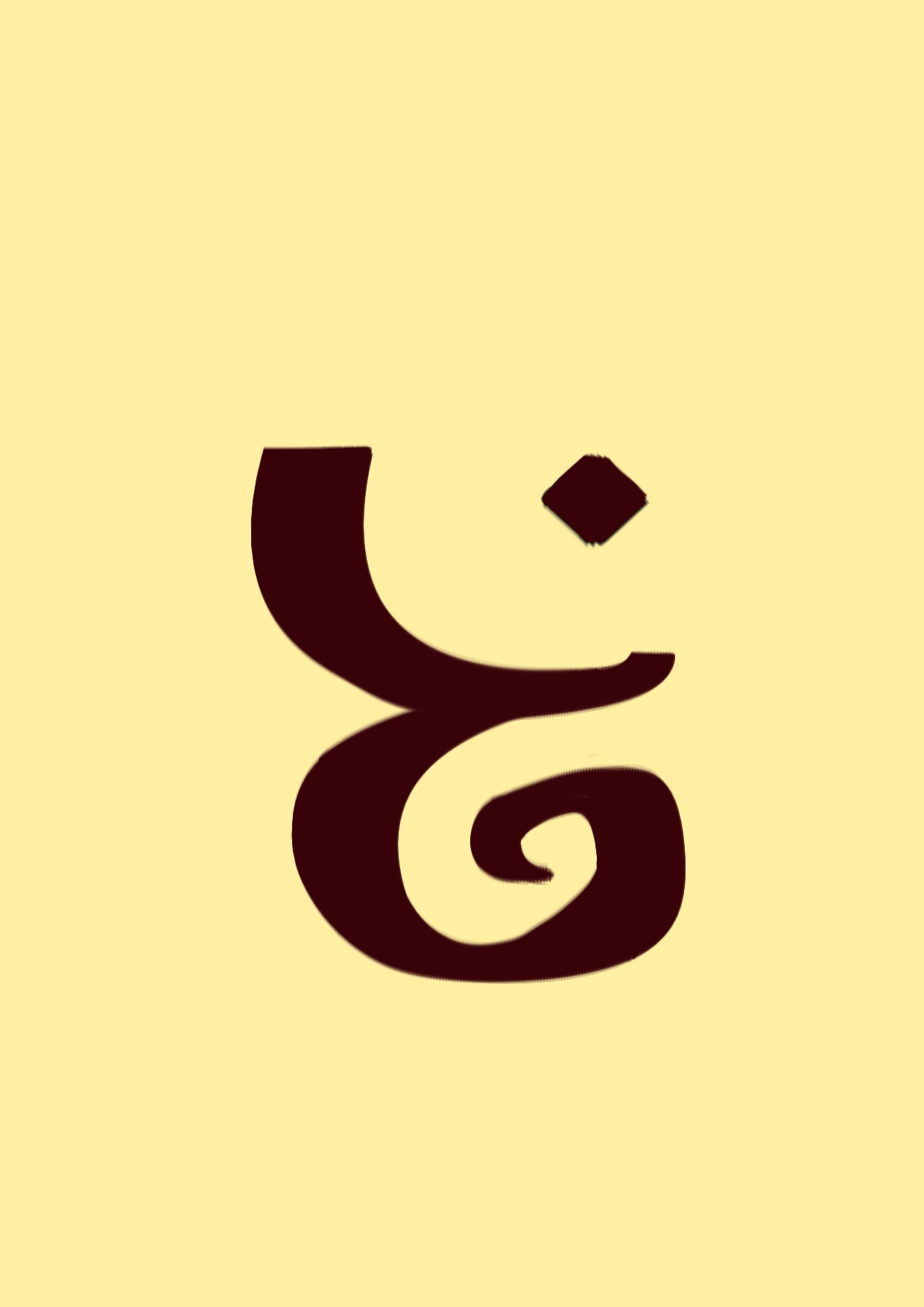
2) Closed syllables are formed by adding a vanyuse dot after the consonant. In words like eb: and, where the onset of the syllable is a vowel, the vowel character is in it's isolated form, followed by a vanyuse dot and the consonant character.
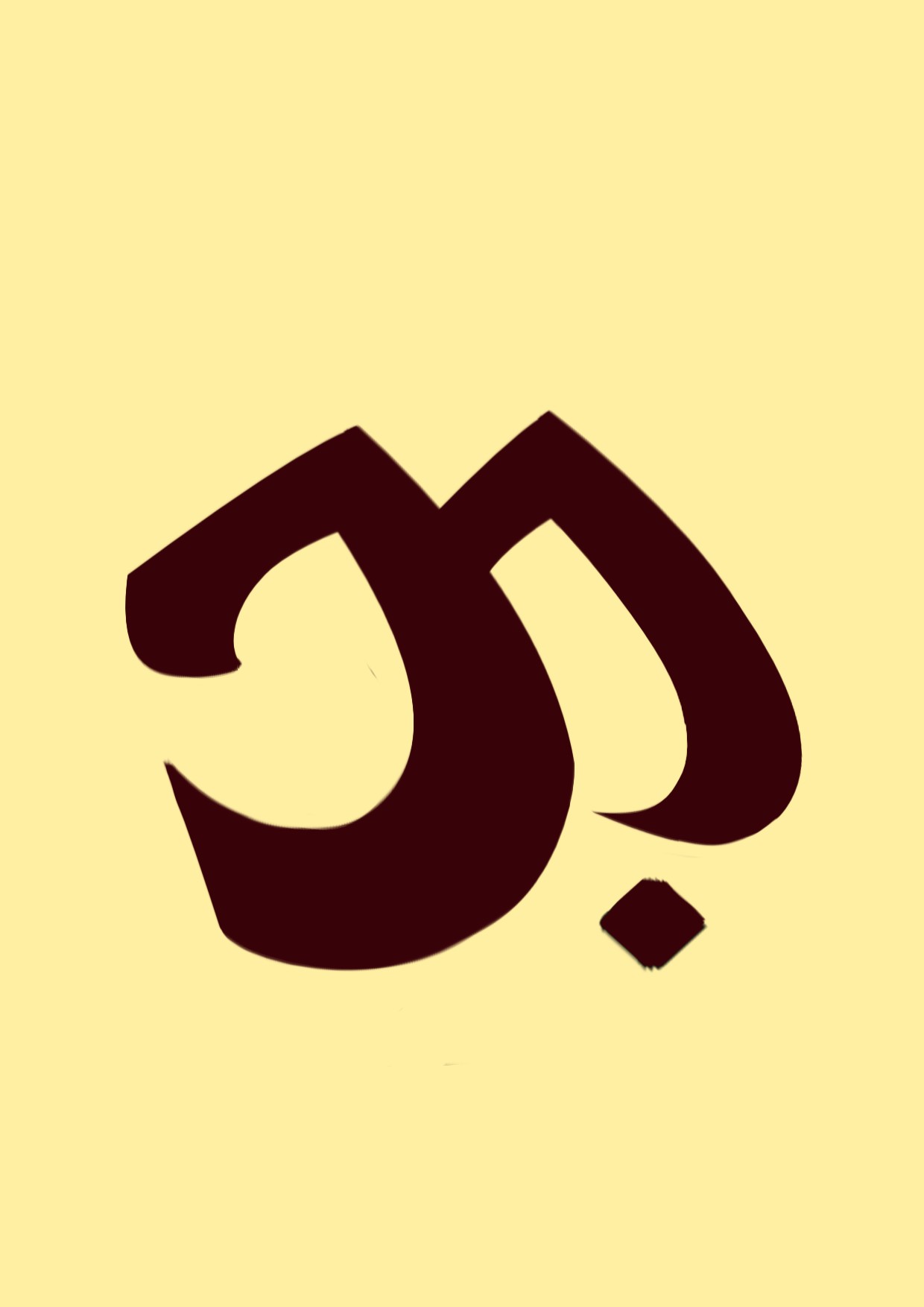
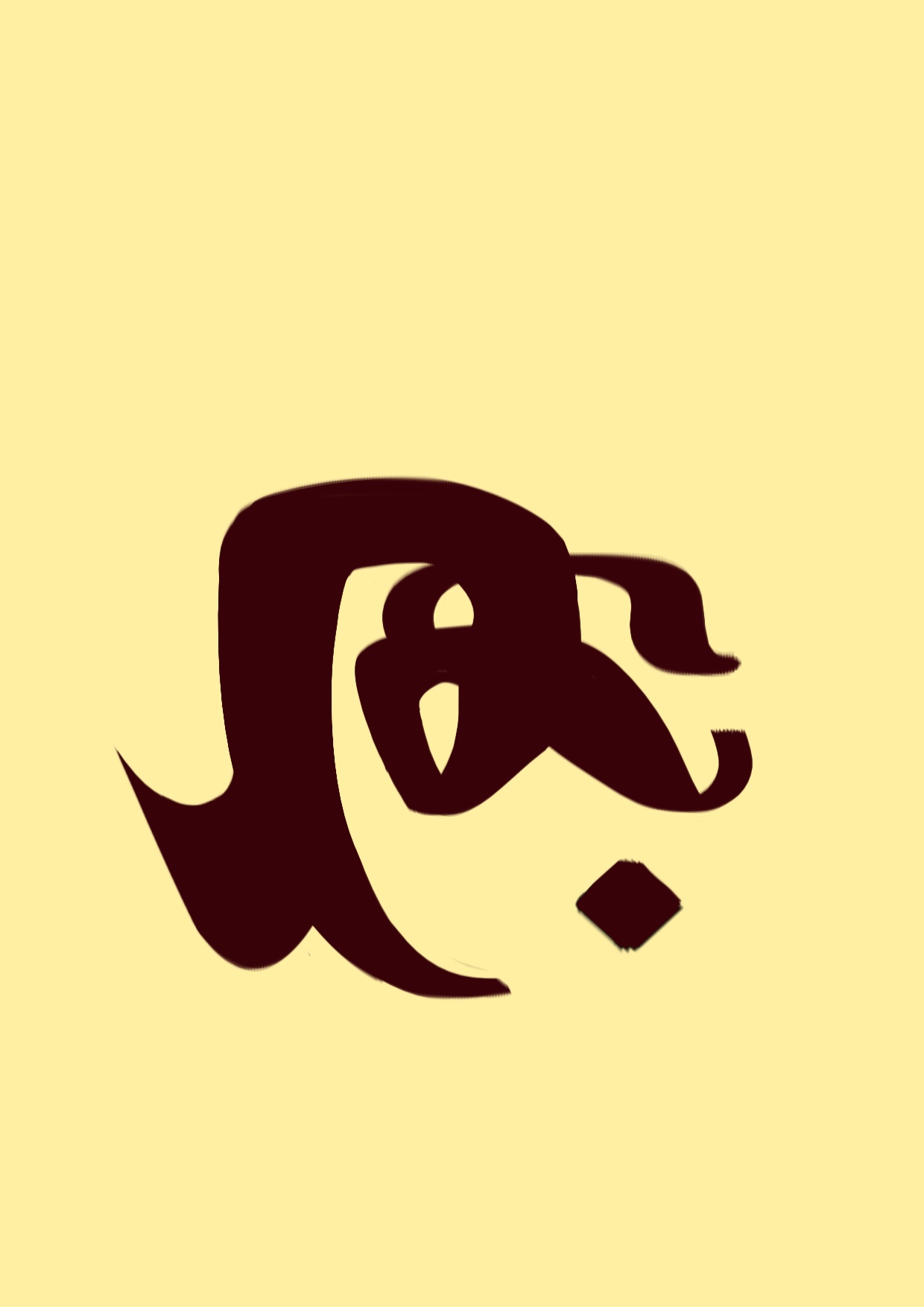
3) Consonant clusters behave like single characters, that is to say they combine normally with vowel characters. When two identical consonants merge to form a geminate, the characters are stacked in an oblique fashion (see below) and the rightmost character will combine with the vowel character.

Special Combinations
The sounds /ɥ/ ɥ and /ɚ/ ēr combine like vowels; the first is a semi-vowel usually found at the onset of syllables, and the second is an r-coloured vowel. The character for ɥ as an isolated sound doesn't exist, however when it is combined with a vowel it is represented by a diagonal line drawn from the top left-hand corner of the vowel character down to the bottom right-hand corner:
The character for ēr also doesn't exist as an isolated sound but as a special digraph where the r character immediately follows the consonant/vowel combination without a vanyuse dot: